Before You Keep Walking
The best way into a city's music may be to stop treating the pavement as the space between destinations.
A closer listen to the music happening in shared public space.
The best way into a city's music may be to stop treating the pavement as the space between destinations.
Tuning, a sip of water, a glance at a passing bus: the pauses belong to the performance too.
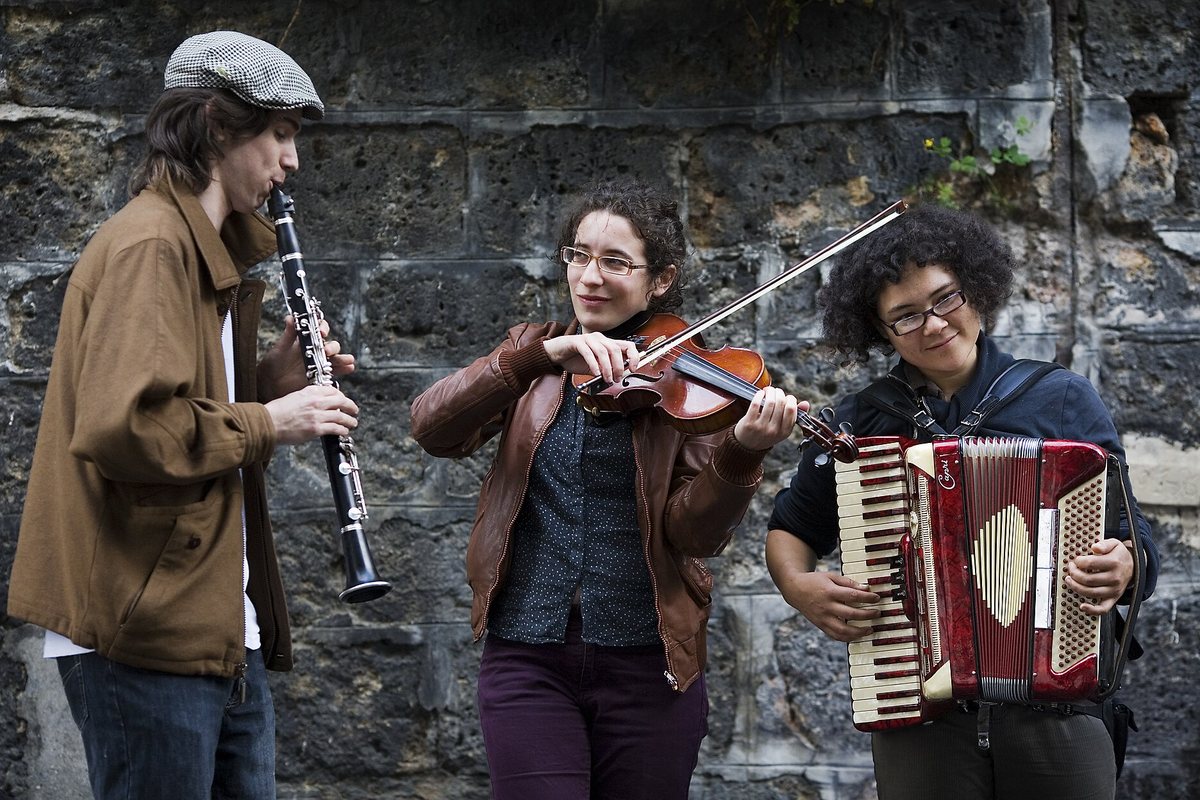
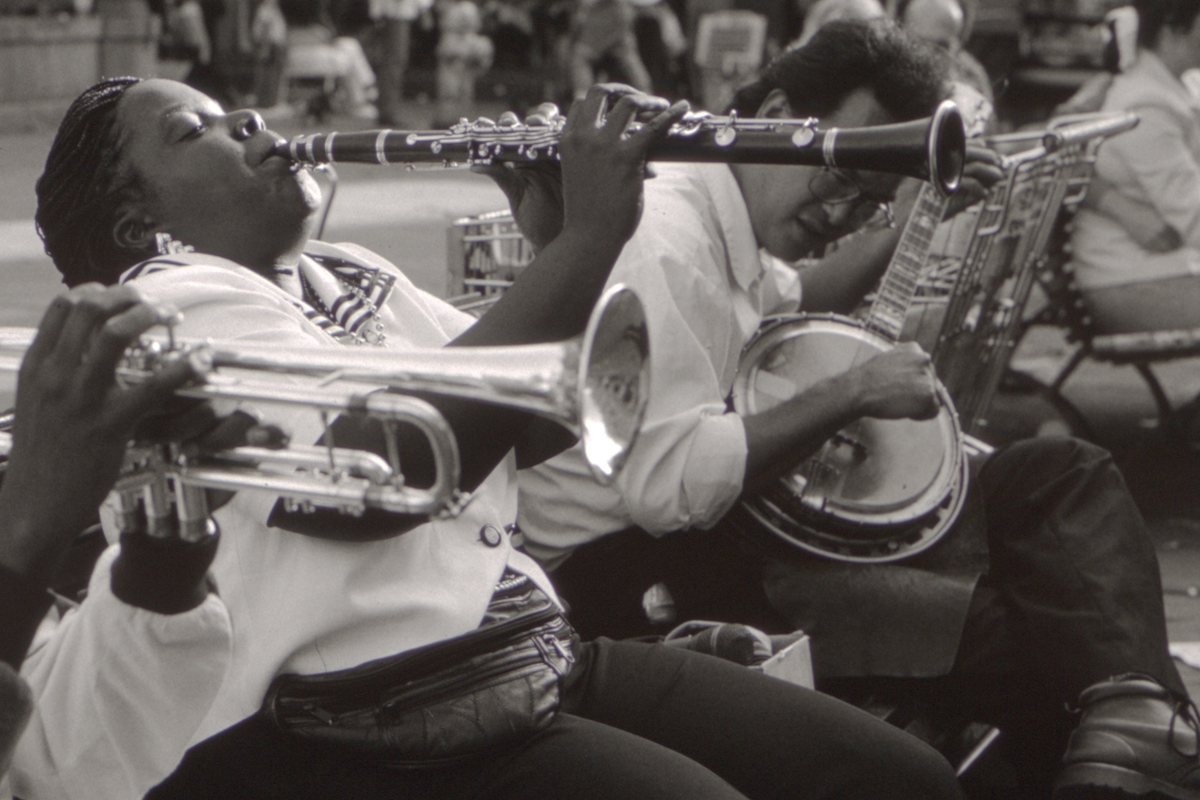
Watch the small negotiations between two musicians and a familiar tune becomes much more interesting.
Recognition gets your attention. What a performer does with it is the real reason to stay.
A good performance is worth remembering. That doesn't mean every encounter needs to become a clip.
Listen to the contest between a bright instrument and an ordinary afternoon, then notice the moments when it isn't a contest at all.
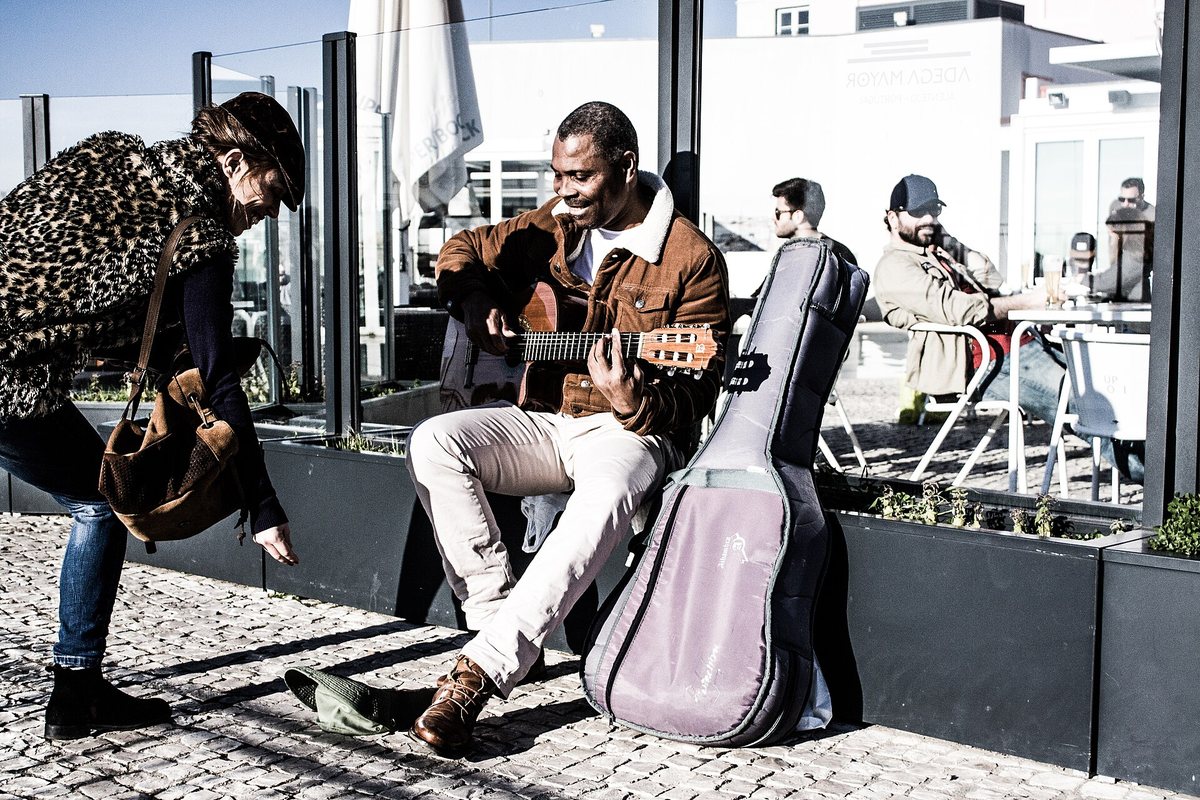
A contribution can acknowledge the work without turning a shared moment into a transaction you control.
The instrument often arrives with a ready-made postcard in our heads. Try listening before choosing the picture.
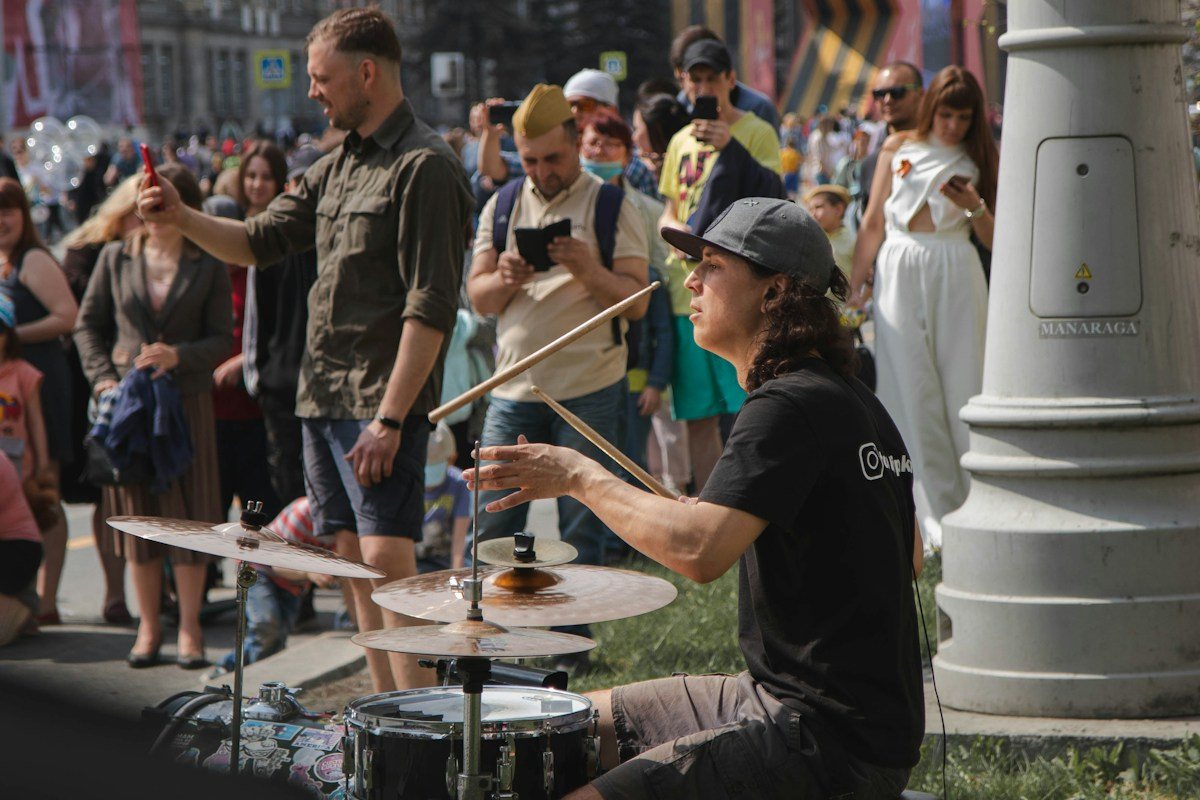
Before joining a rhythm, spend a little time finding out how the gathering works.
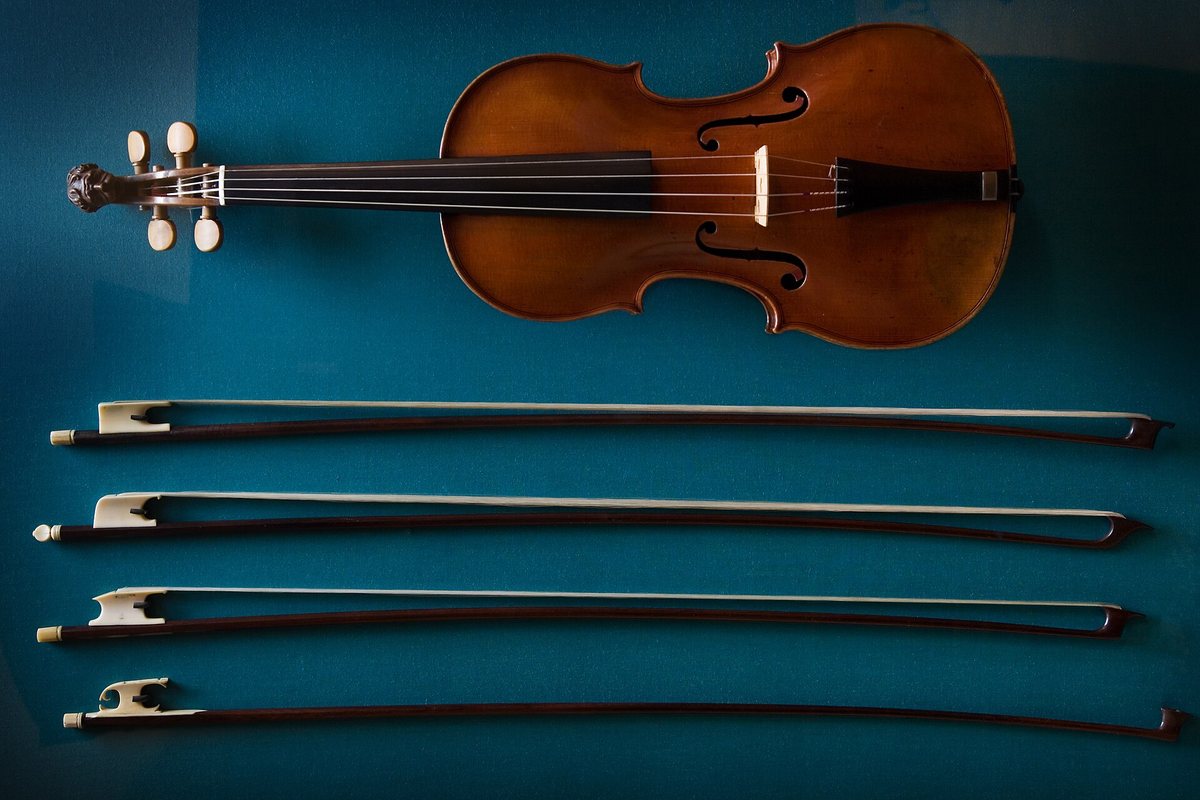
Without a formal room around it, a familiar instrument can make you listen to different things.
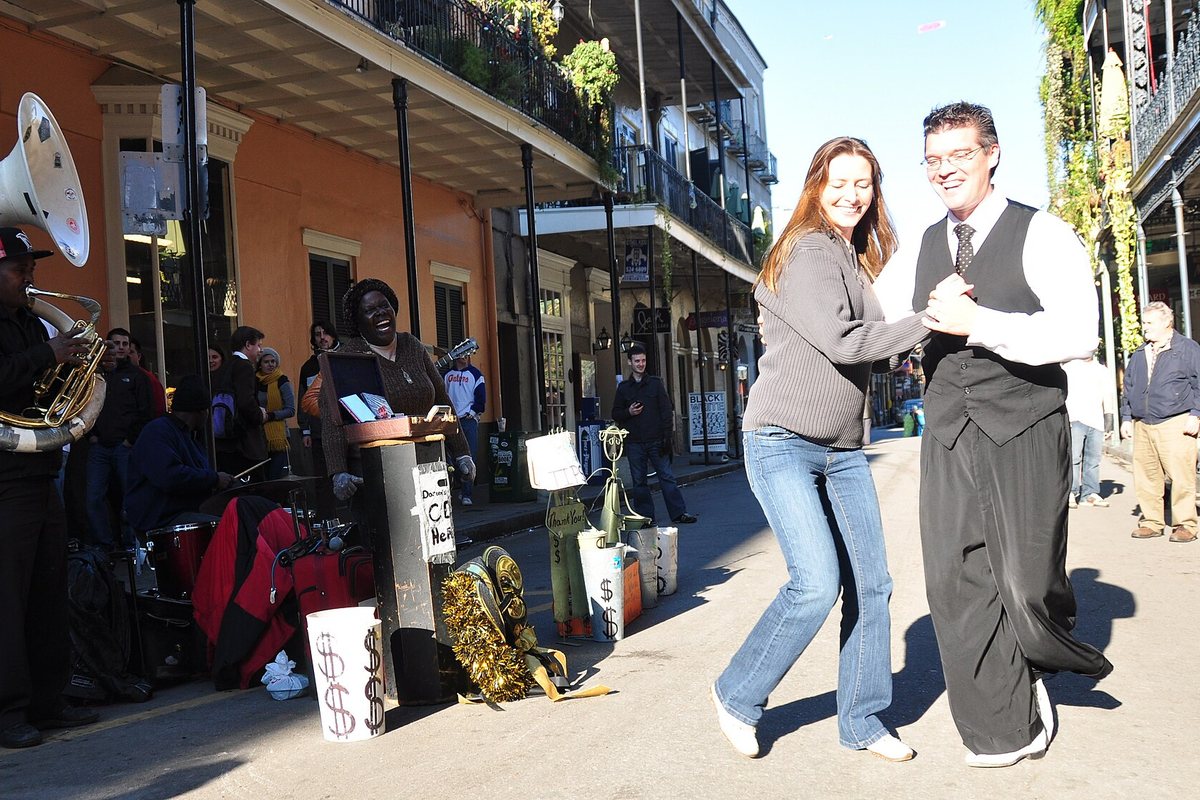
Daylight performances have a different audience, a different pace, and their own reasons to stay.
The small negotiation between a performer and an audience that suddenly has a voice.
How to watch a street performance without making the street impossible for everyone else.
A few drops can change a performance before they change the sound.
Following the part that makes the rest of the street band fit together.
Why the end of a song sometimes needs one more second.
Listen from arrival to departure and a street set keeps changing around you.
Curiosity works best when it starts with listening and leaves room for an answer.
A sudden silence reveals how much work sits around amplified music.
Making room for delight without forgetting the person giving the performance.
Leaving can be a small act of attention, too.