New Orleans: Jazz Before the Record
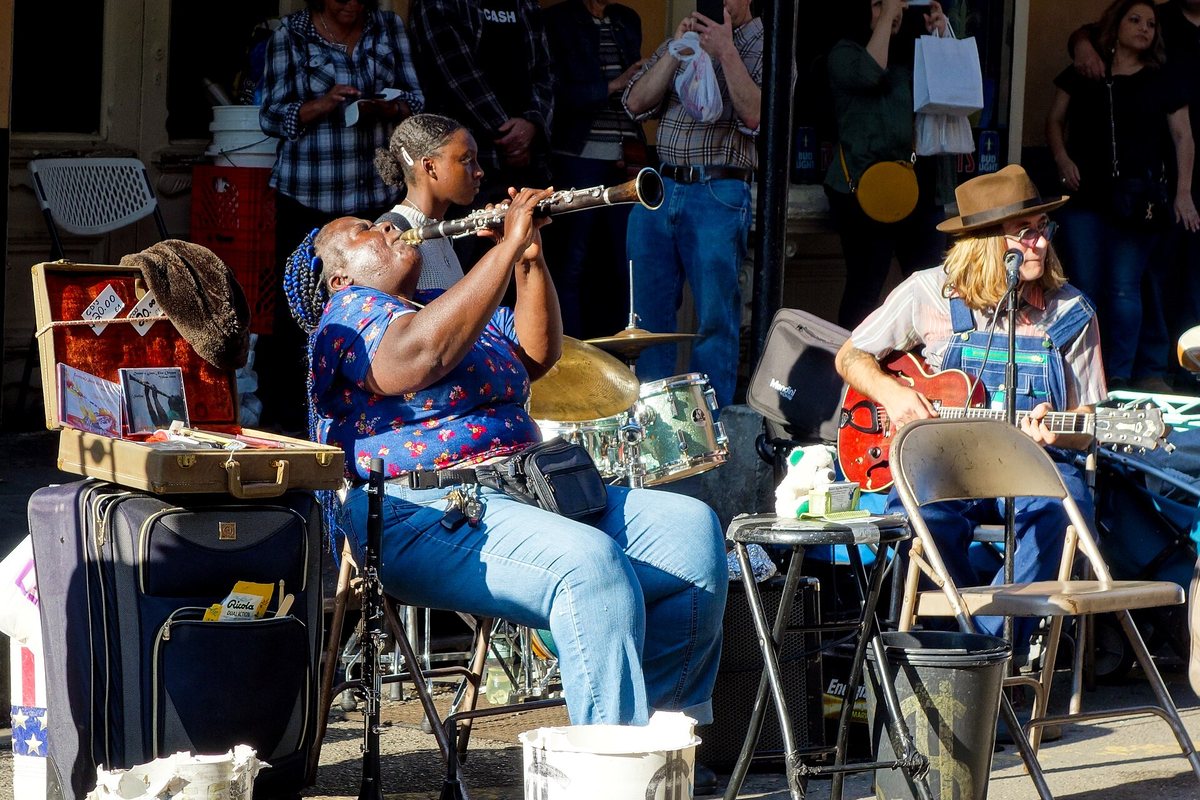
Long before jazz became something you could buy on a disc, it was something people made together.
The histories, neighborhoods, and ideas that give a city its musical character.
Long before jazz became something you could buy on a disc, it was something people made together.
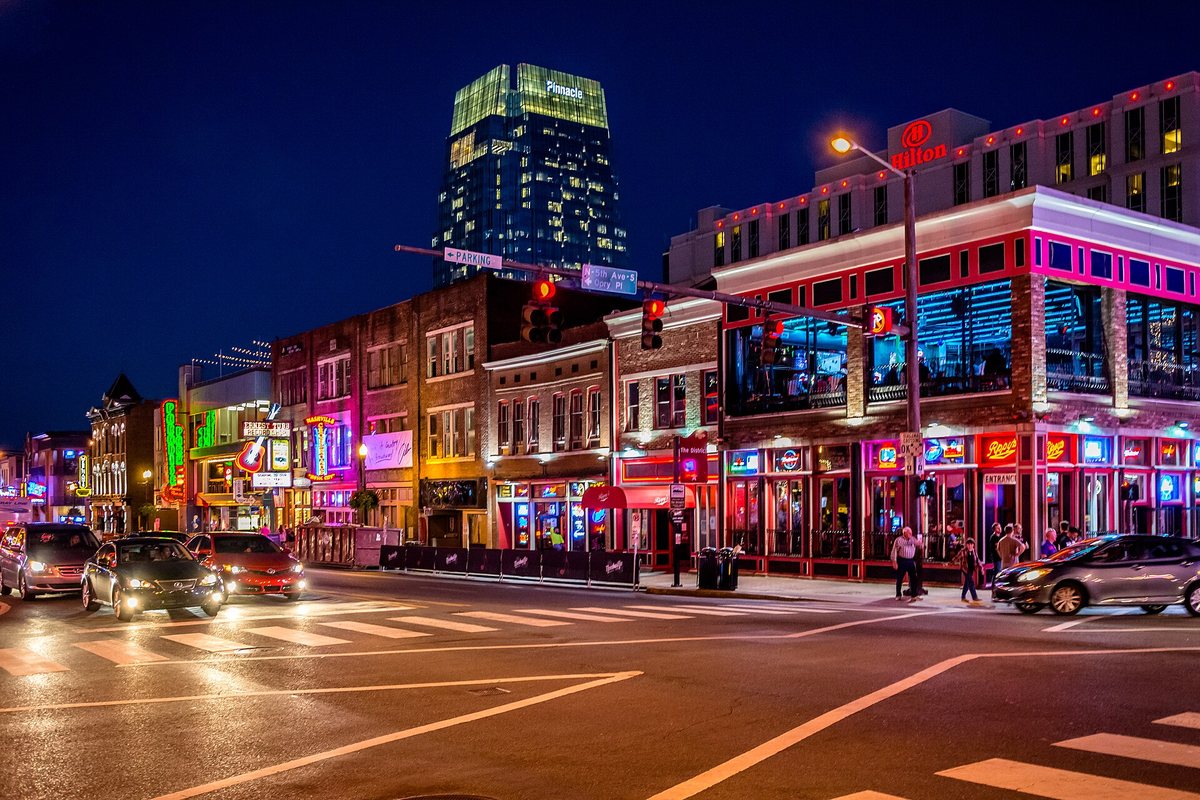
The Fisk Jubilee Singers offer a different starting point for Nashville's musical story.
At Stax, a former movie theater and its small record shop helped make a musical institution.
Detroit's Motown story begins with an address, a family loan, and the work of building a record company.
Migration, amplification, and working musicians helped reshape the blues in Chicago.
A Bronx party is a landmark in hip-hop history, and the surrounding community is part of the story.
Austin's live-music identity contains more traditions than its most familiar slogan can hold.
Seattle's grunge history is easier to hear when it is allowed to be history rather than a permanent costume.
Sound systems, shops, and radio reveal a London music history built through networks.
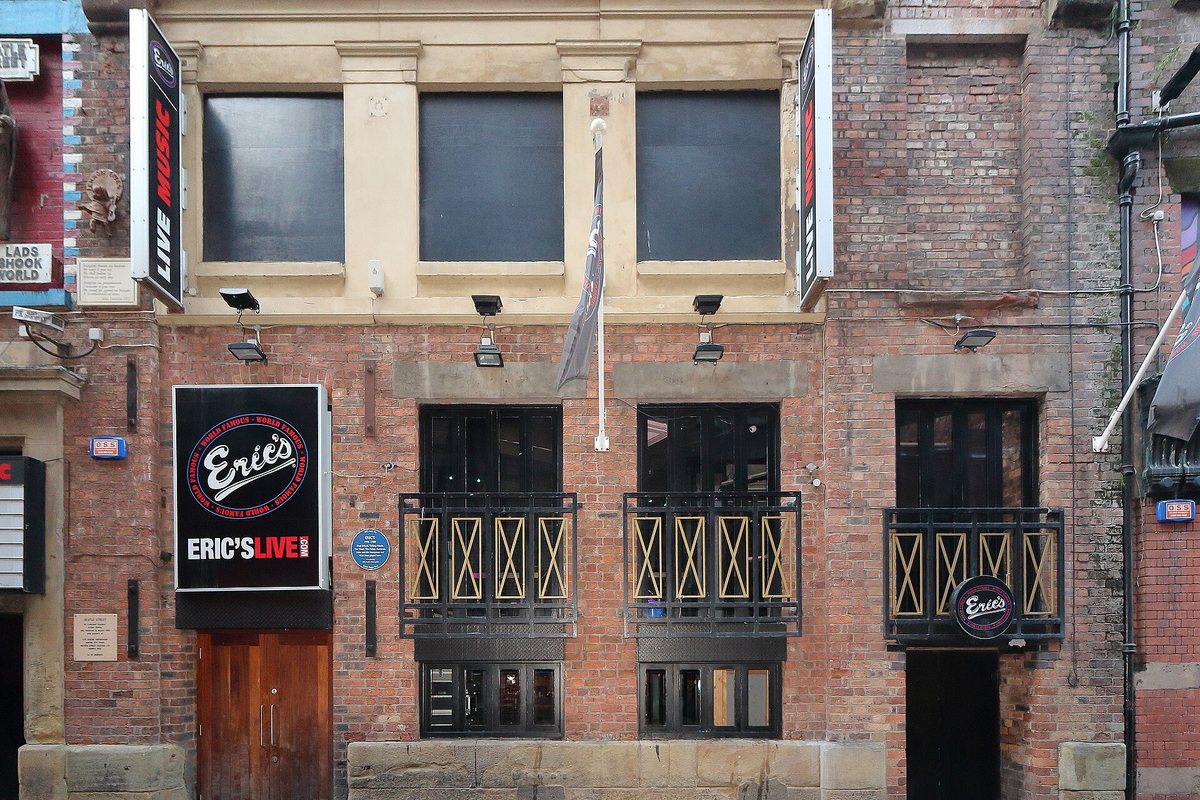
Before it became a destination for Beatles visitors, the Cavern was a place where bands did the work of playing.
Factory's visual identity makes Manchester a useful place to think about how music looks.
Bristol's radio and club histories reward listening beyond a single exportable genre.
The Liberties links choral history, a famous premiere, and musicians whose lives belong to the neighborhood.
Glasgow's musical character makes room for ensembles, festivals, and listeners with different starting points.
Fado's familiar association with longing is only one entrance into a living practice of music and poetry.
Voice, dance, guitar, and rhythm belong to the same conversation in flamenco.
Paris's jazz history includes working artists and particular stages behind the glamorous imagery.
Following Mozart through Vienna means hearing a career as well as a canon.
Berlin's techno history connects international musical influences with places where people gathered.
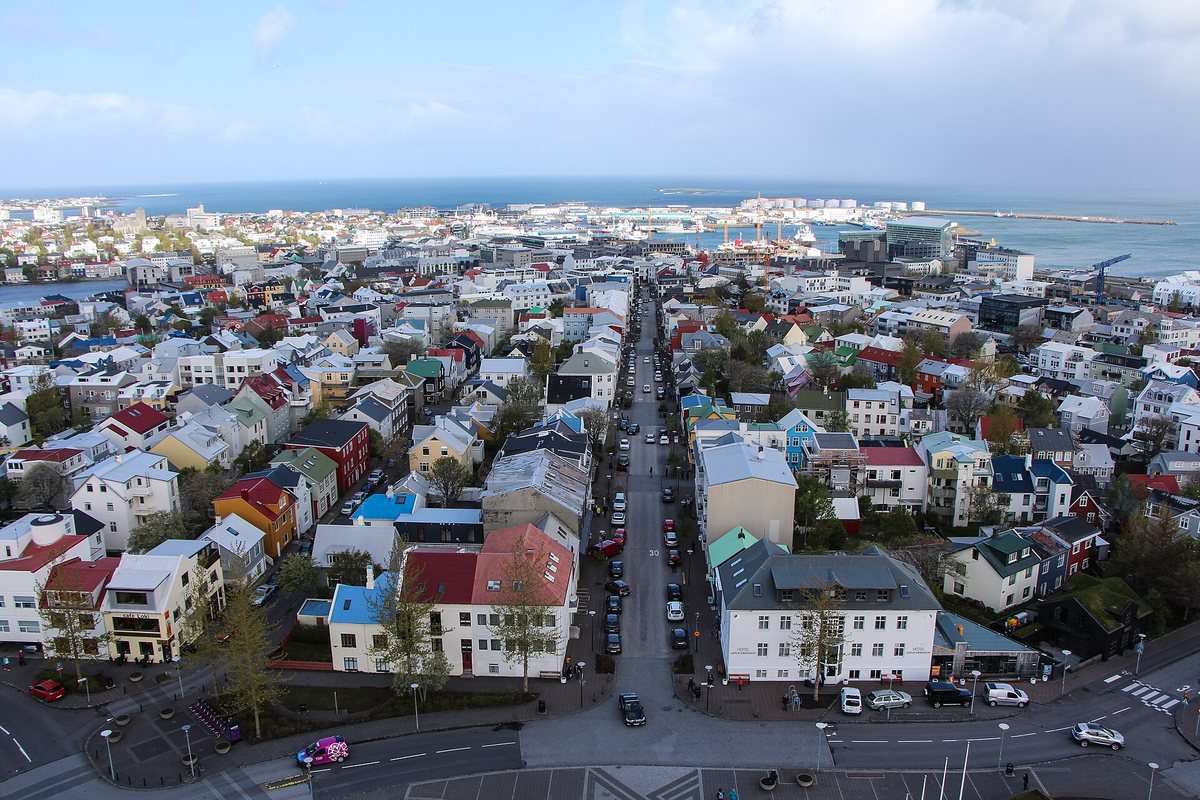
Reykjavik's musicians deserve to be heard beyond the easy comparison with Iceland's landscape.
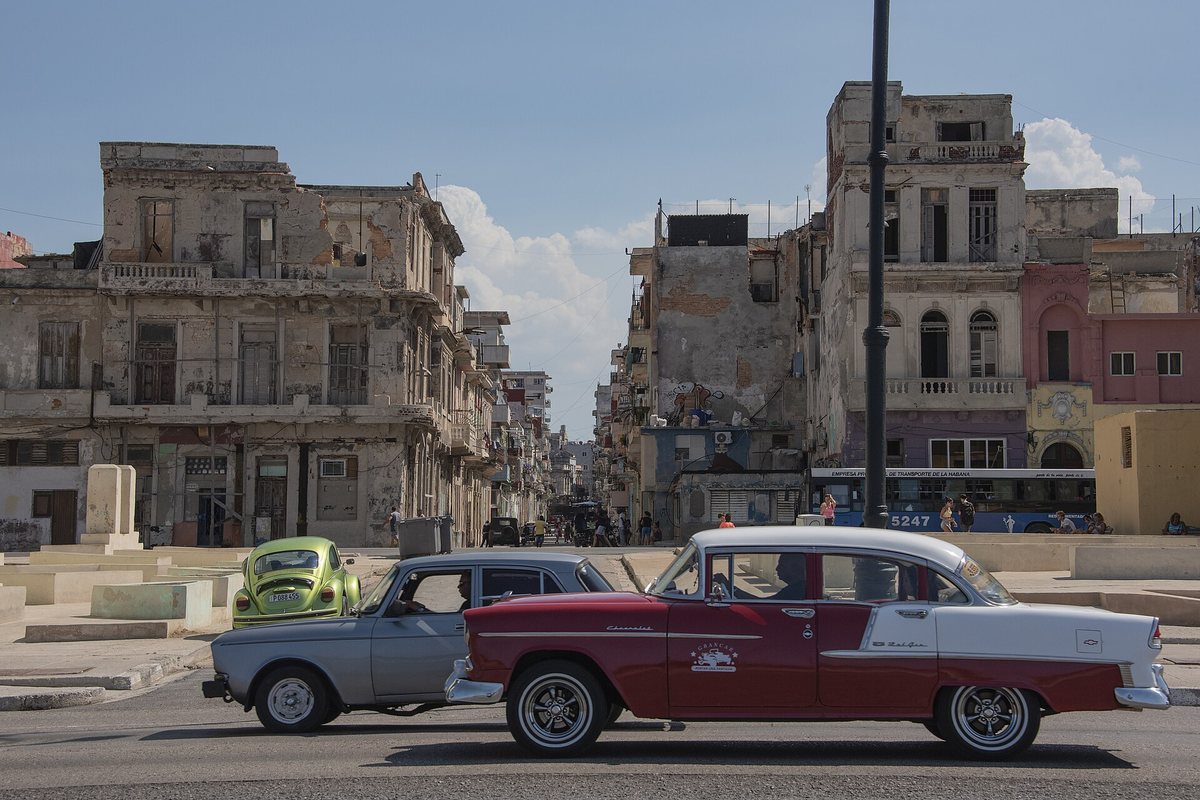
Rumba brings voice, percussion, gesture, and dance into an exchange that a postcard cannot summarize.
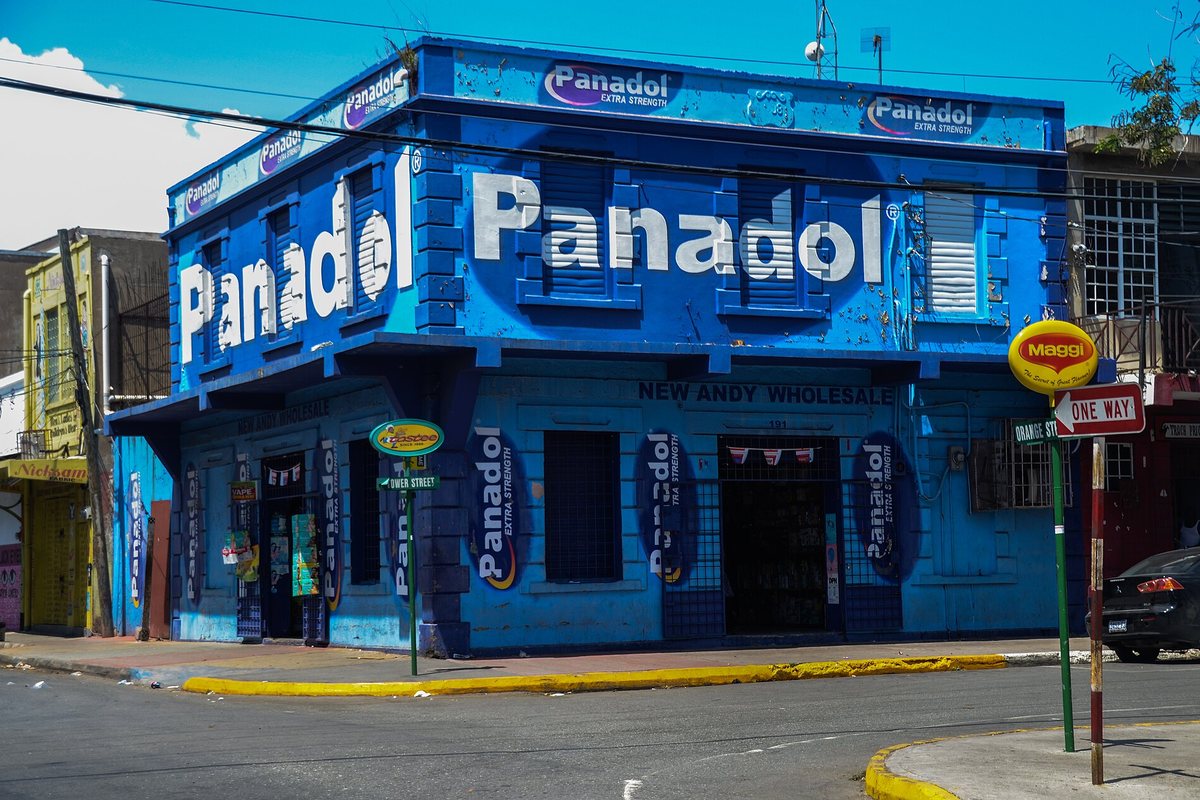
Reggae's rhythms carry social, spiritual, and emotional purposes as well as a recognizable groove.
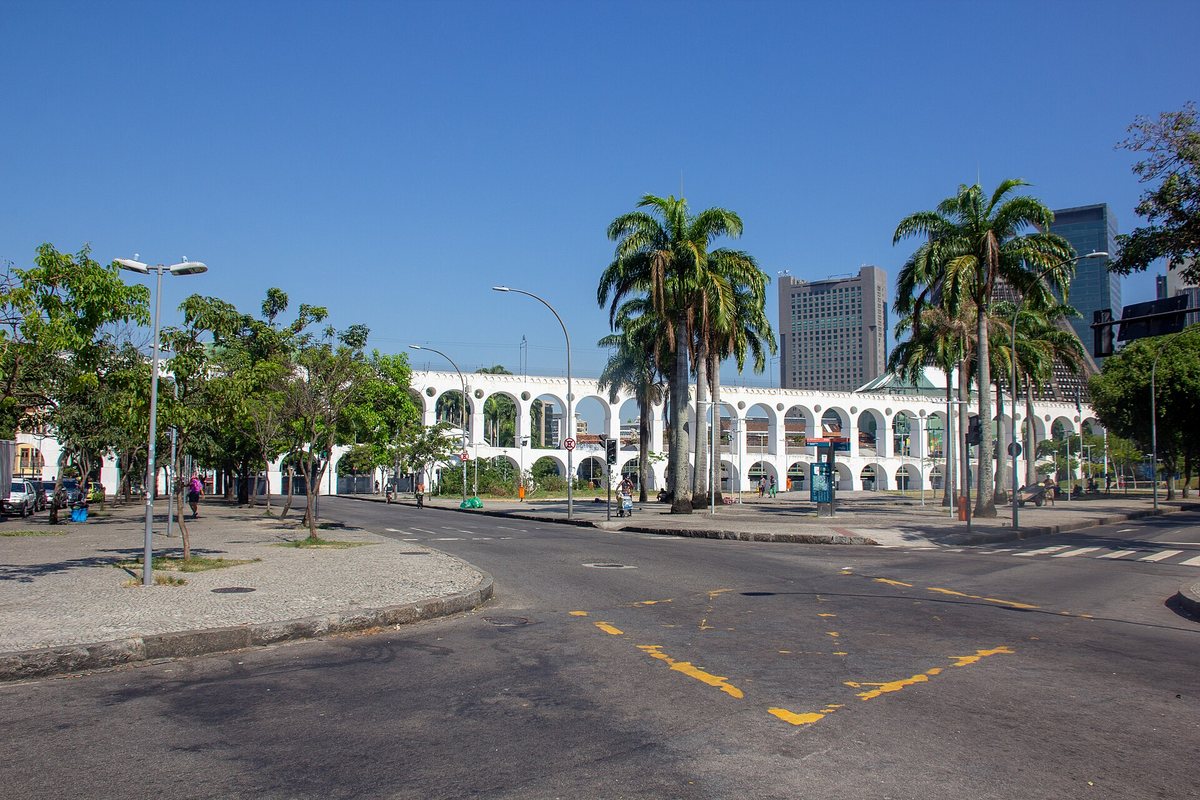
Pedra do Sal connects Rio's samba story with Afro-Brazilian community memory and the port area.
Tango belongs to a shared Río de la Plata history, with Buenos Aires and Montevideo both in the frame.
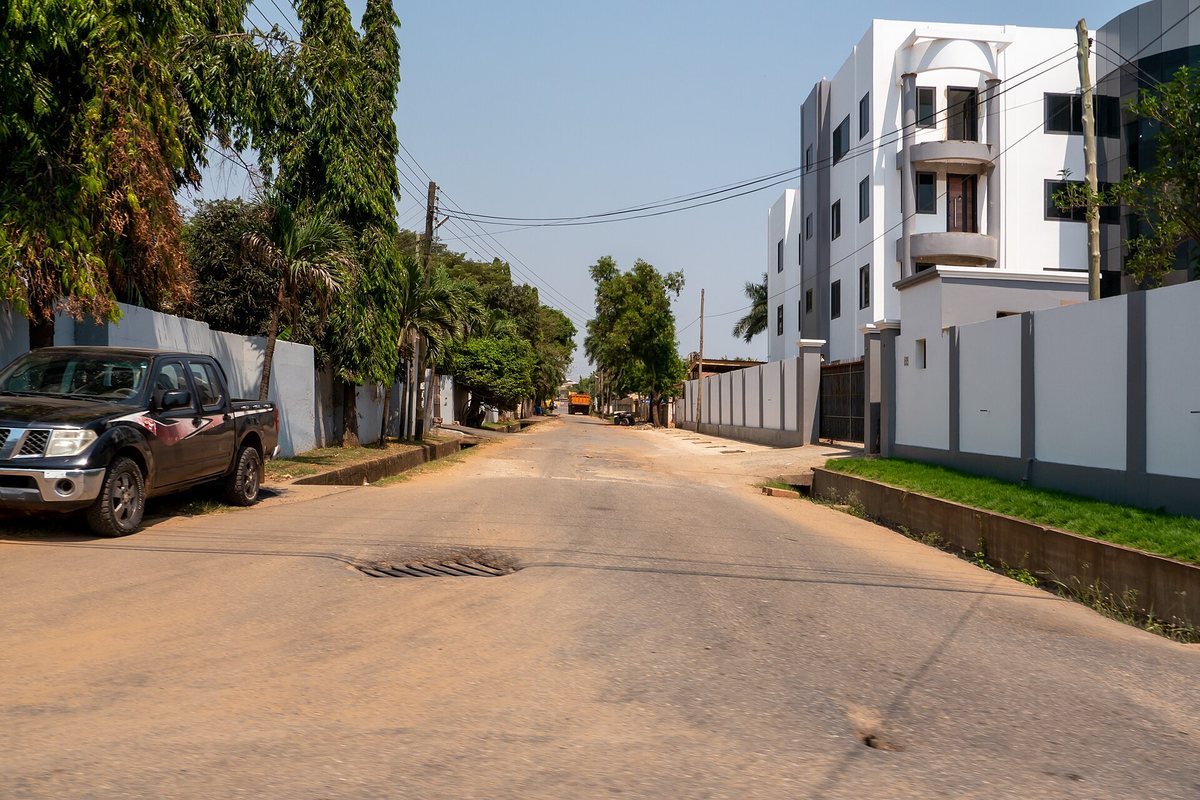
Accra's highlife story includes changing styles and the careful work of preserving musical memory.
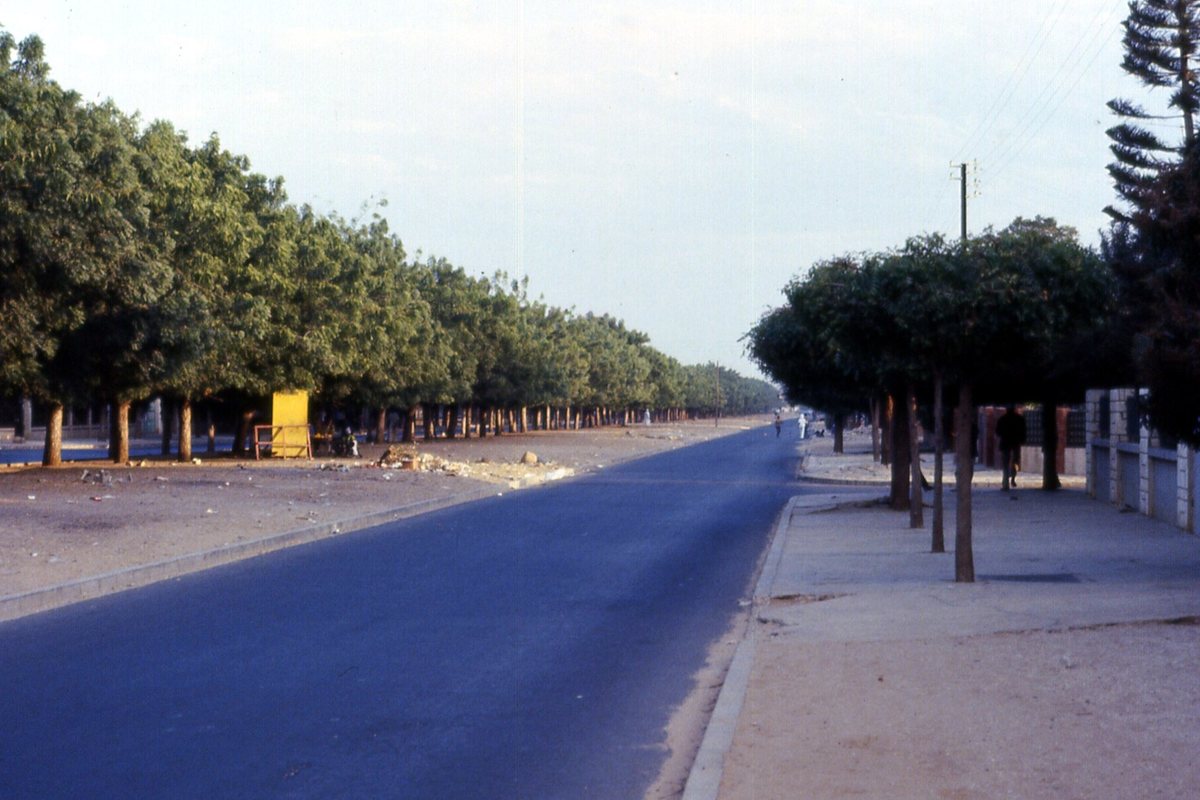
Mbalax reveals how Senegalese musicians recombined local rhythmic practices and international band sounds.
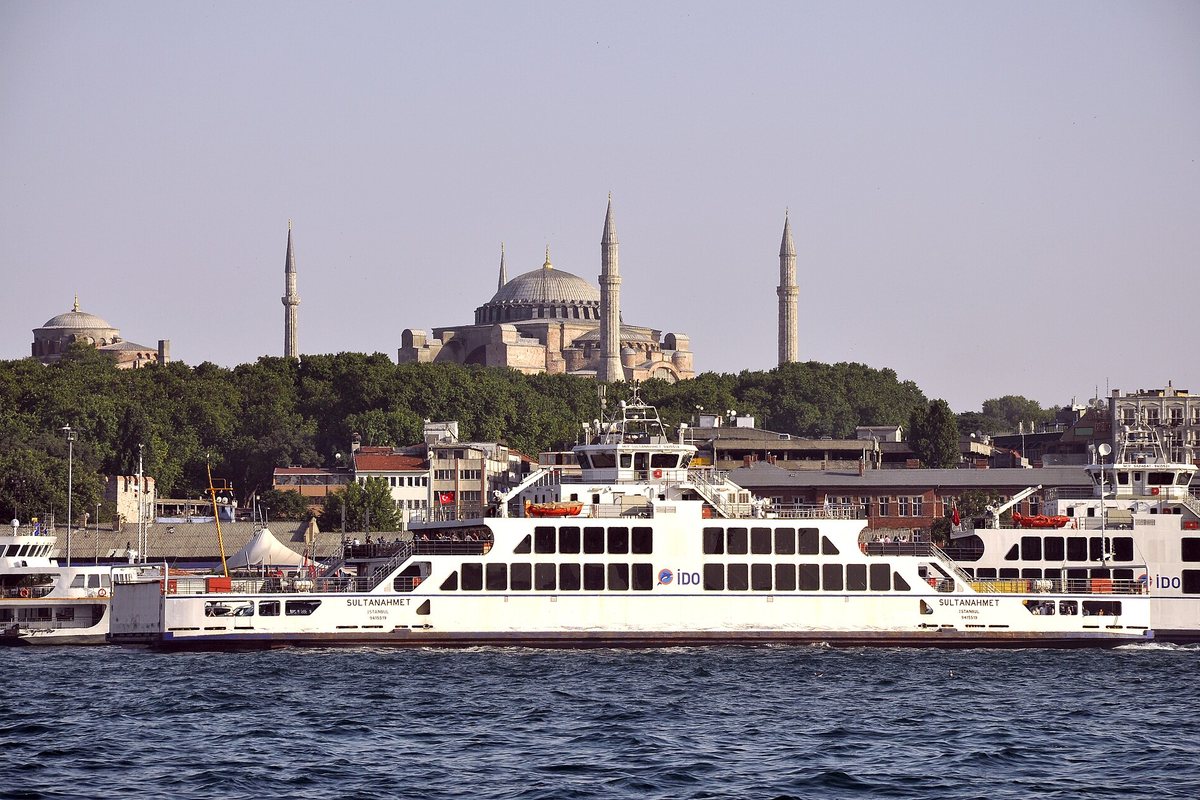
Istanbul's festival history shows how a city can build institutions for musical encounter.
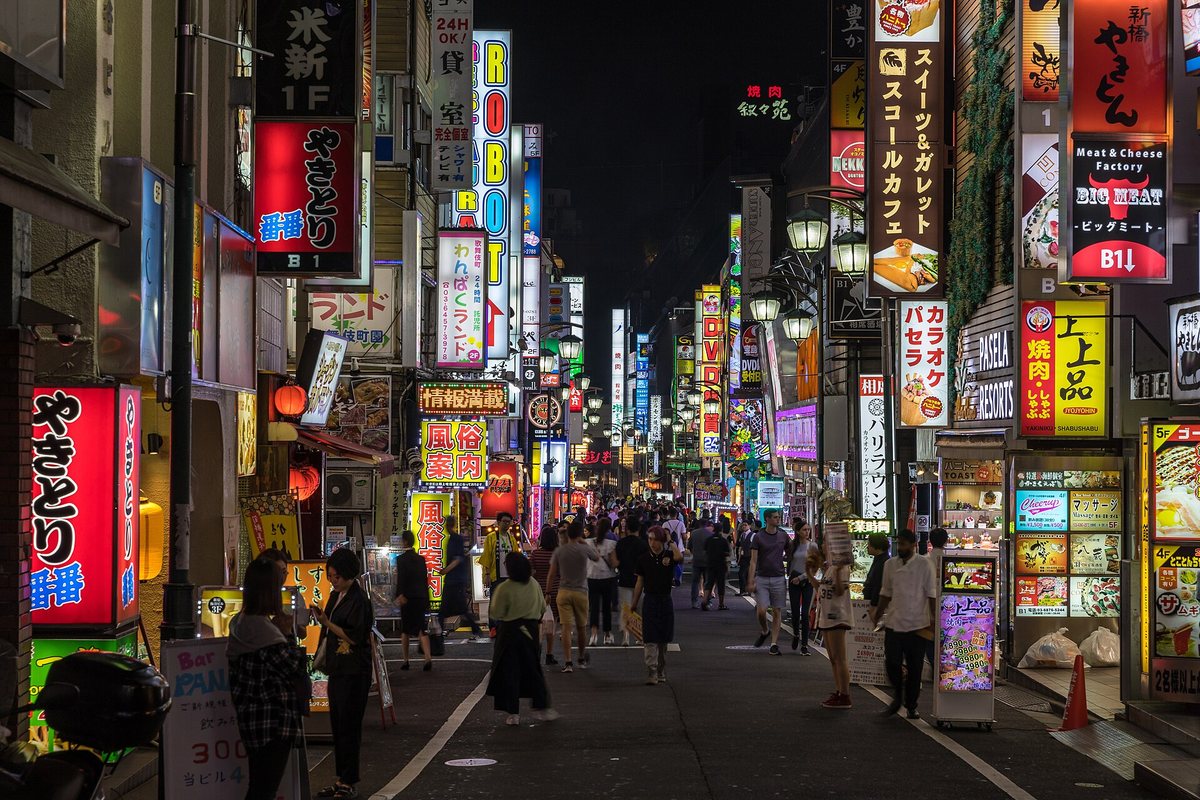
Tokyo's listening cafés offer a reason to treat recorded music as the main event.