Watch only the dancer and you can miss a great deal of flamenco. Listen only to the guitar and the same is true. Cante, baile, and toque—song, dance, and instrumental playing—offer connected ways into the performance.
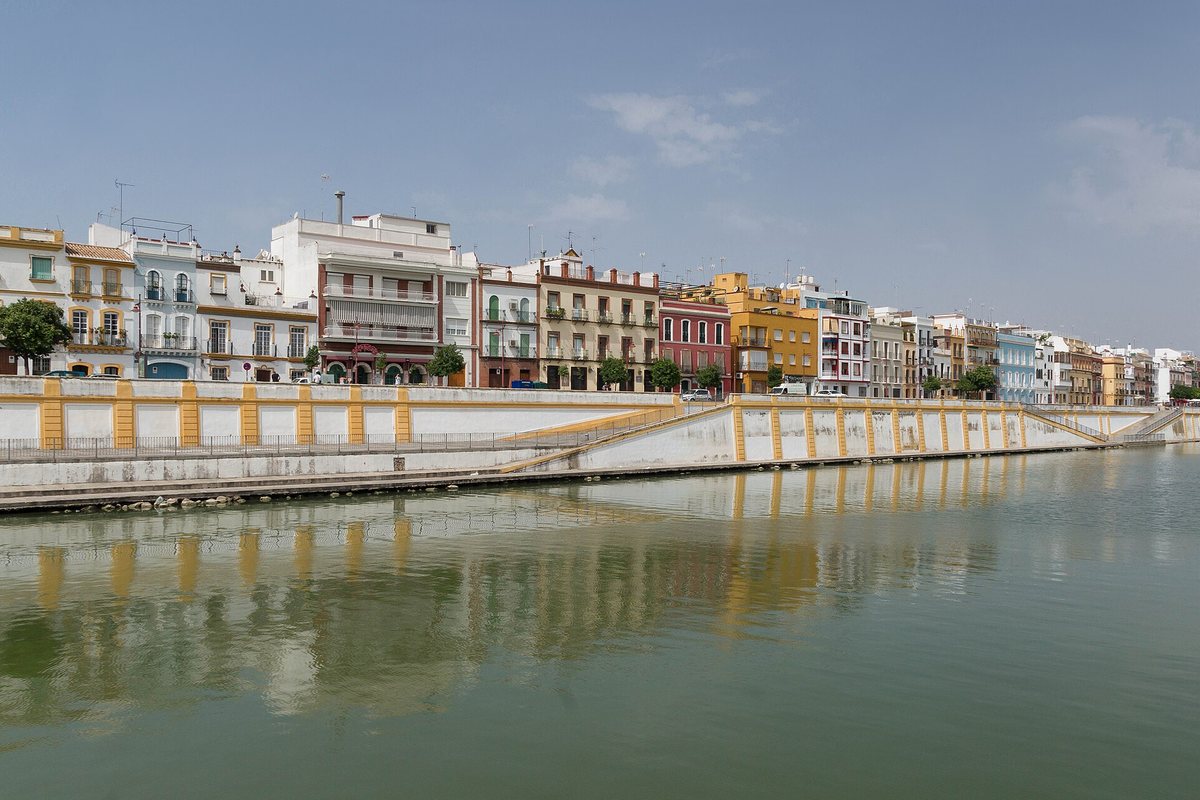
Andalusia is central to flamenco's history, with roots also associated with Murcia and Extremadura. Gitano communities have played an essential role in its development. UNESCO inscribed flamenco in 2010; Seville's peñas, tablaos, and Bienal provide different settings within the city's relationship to it.
For a newcomer, the most useful listening task may be to follow a response. Hear how a vocal phrase is met by the guitar, how clapping helps articulate the rhythm, or how footwork changes the distribution of attention. You need not recognize every form to notice that the performers are attending to one another.
Resist the idea that intensity must always mean speed or volume. A held moment can gather force precisely because somebody chooses not to fill it. Watching for those decisions reveals more than waiting for the most spectacular passage.
A specific performance is also not a summary of all flamenco. Learn who is appearing and what kind of event it is. Seville is a strong starting point, but the music becomes more interesting when its variety remains audible beyond the city's familiar image.