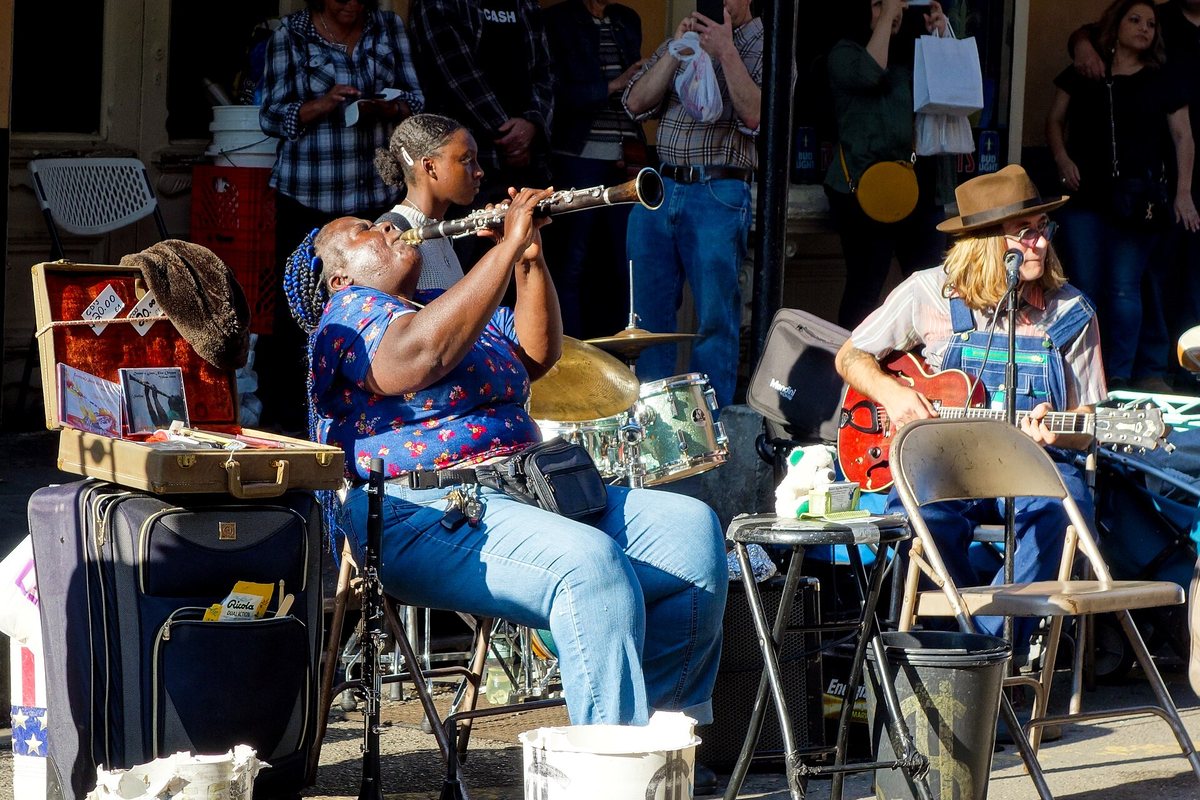
A café usually supplies music as part of the background. The idea of a listening café reverses the arrangement: a seat and a drink can make time for the record.
Japan's kissaten tradition began in the early twentieth century and flourished during the Shōwa period. Within that broader café history, jazz kissa focus on recorded jazz, while meikyoku cafés are associated with classical music. Attention to audio reproduction forms part of the appeal.
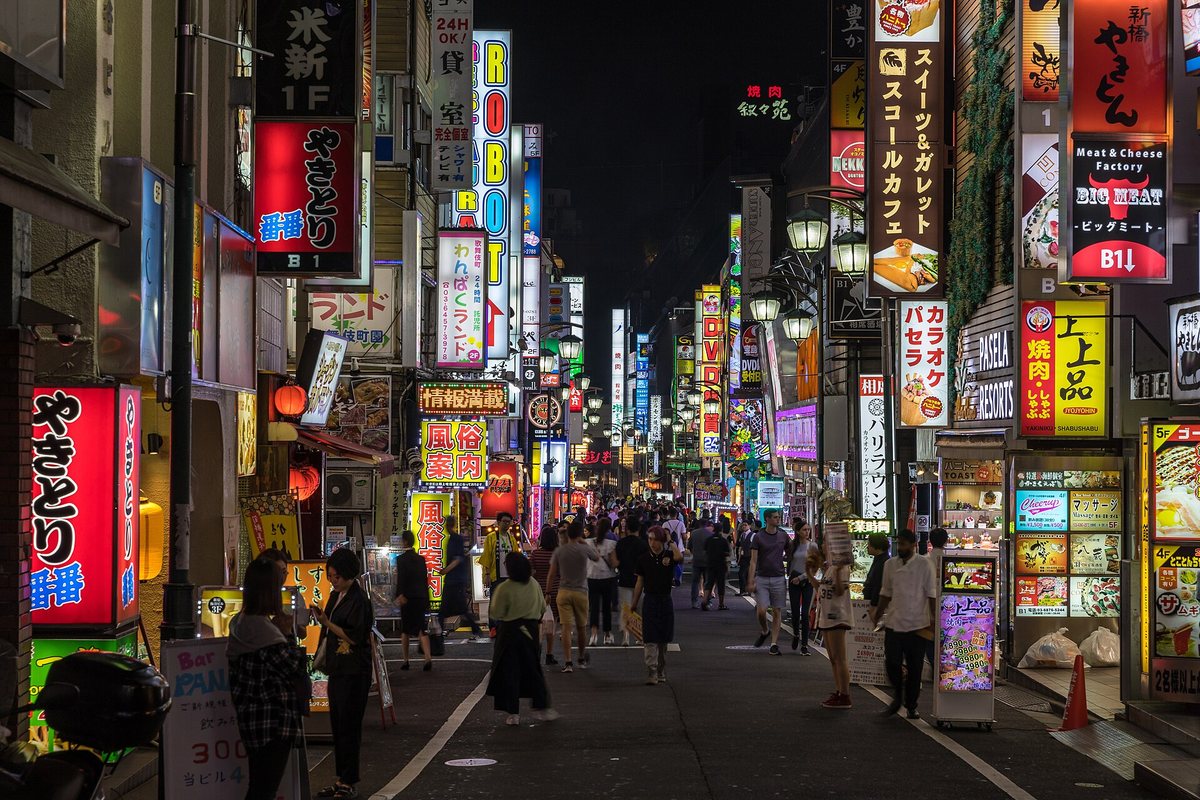
Tokyo also offers neighborhoods such as Shimokitazawa, where music, books, and café culture meet. None of this means that every small café follows the same listening customs. Check a venue's own information and observe the room before assuming that conversation, photography, or requests are welcome.
The useful lesson can travel home with you. Choose a recording, sit down, and let it occupy the foreground for a while. Resist doing three other things merely because the music is recorded and therefore available again. Repeatability does not make a first attentive hearing less valuable.
A good listening space changes the scale of time. A track is allowed to finish; the next one can begin without a search for something better. Tokyo's café traditions suggest that this modest arrangement—a room, a system, a listener—can be a destination in itself.