Havana's rumba history leads toward communities and gatherings rather than a single stage. UNESCO's account places its development in marginalized areas of Havana and Matanzas, drawing on African, Antillean, and Spanish influences. Rumba was inscribed in 2016.
The practice combines singing, percussion, clapping, gesture, and dance. Everyday objects have also served as instruments. That detail suggests resourcefulness, but it should not become a romantic picture that erases the conditions in which people were living.
Listen for exchange. A voice can call forth a response; a rhythmic figure can invite or answer movement. What appears from a distance to be a single rolling sound contains distinct contributions and a great deal of attention between participants.
An introductory recording is a beginning, not a substitute for learning the differences within the tradition. Seek musicians' explanations and reliable cultural sources. If you encounter a performance while travelling, understand what kind of setting it is before treating it as a spectacle arranged for you.
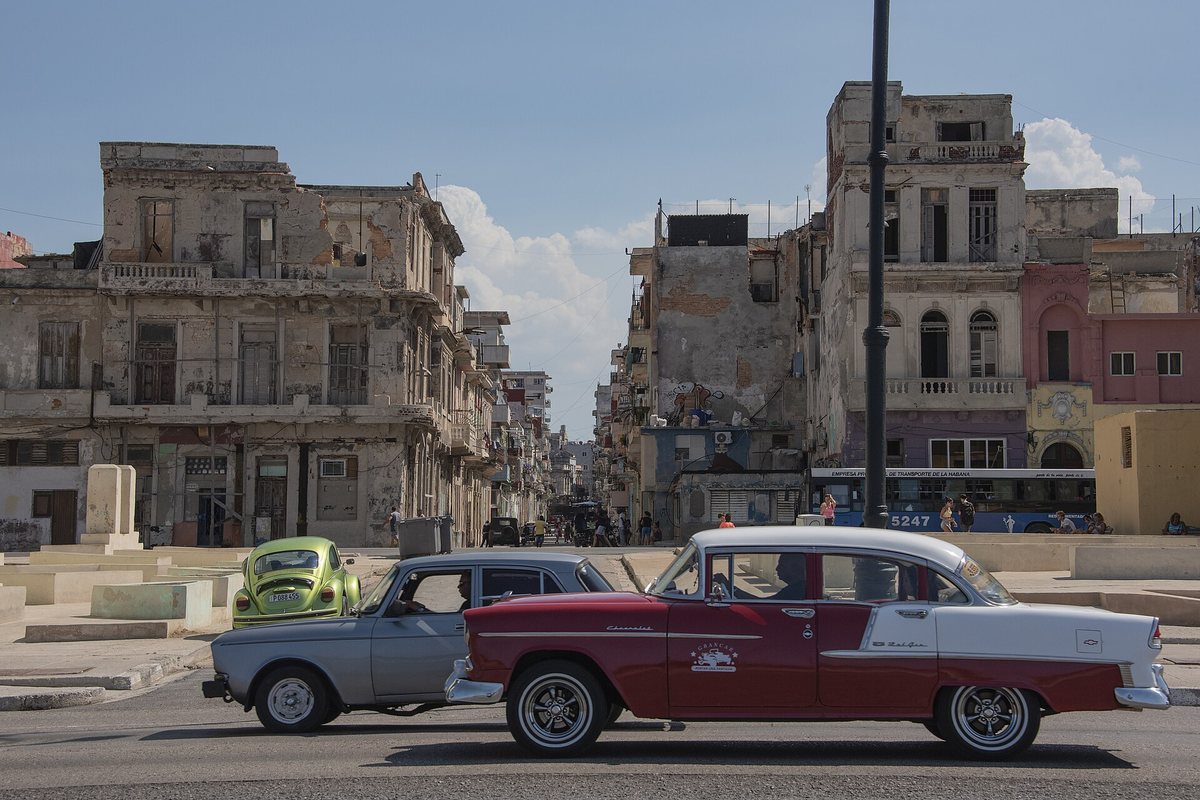
Havana's streets make compelling photographs, but a musical culture is more than the atmosphere those pictures suggest. Rumba offers a way to consider how people make shared occasions, preserve knowledge, and create room for individual expression within a collective practice.