You hear something you cannot name. The sound seems to bend between notes, or a small instrument produces a much larger voice than you expected. Your first impulse may be to reach for your phone and identify it.
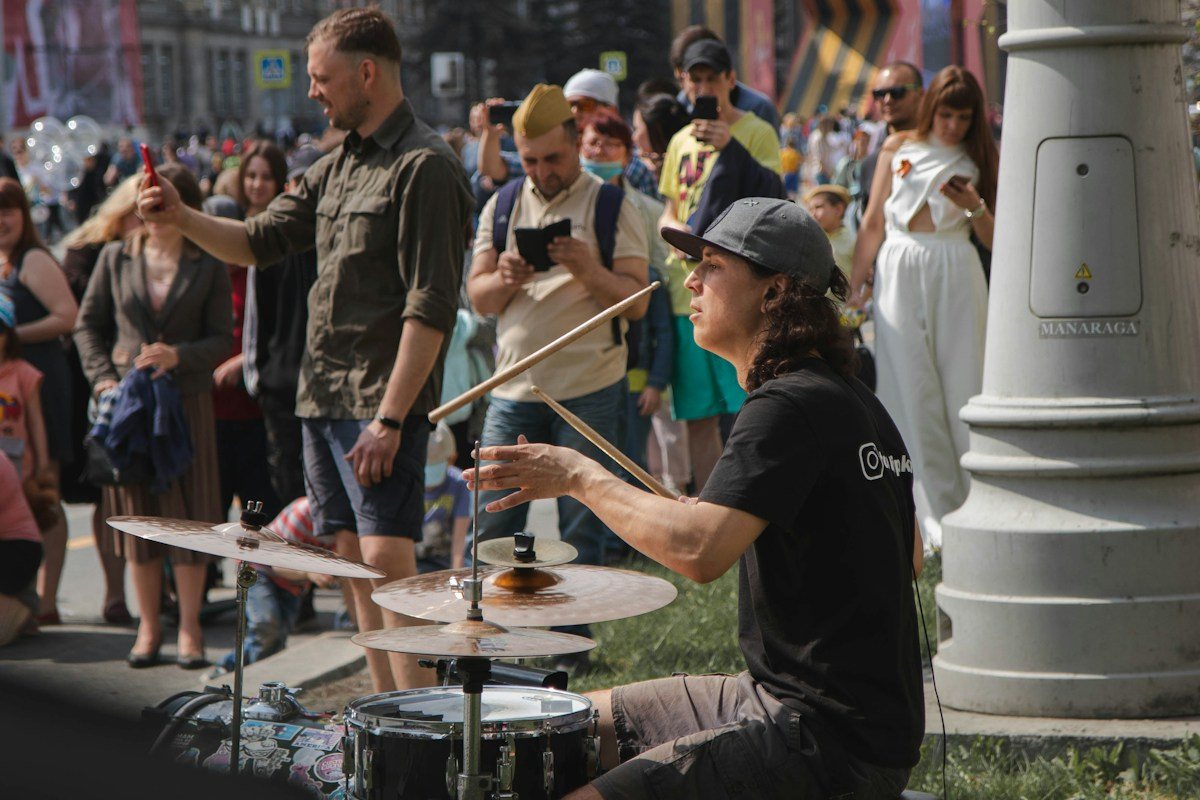
Give your ears a little time before asking a search box. Is the sound made by breath, a bow, a struck surface, a plucked string? Does it fade quickly or continue while the player's hand changes position? Watching carefully can turn unfamiliarity into a useful question.
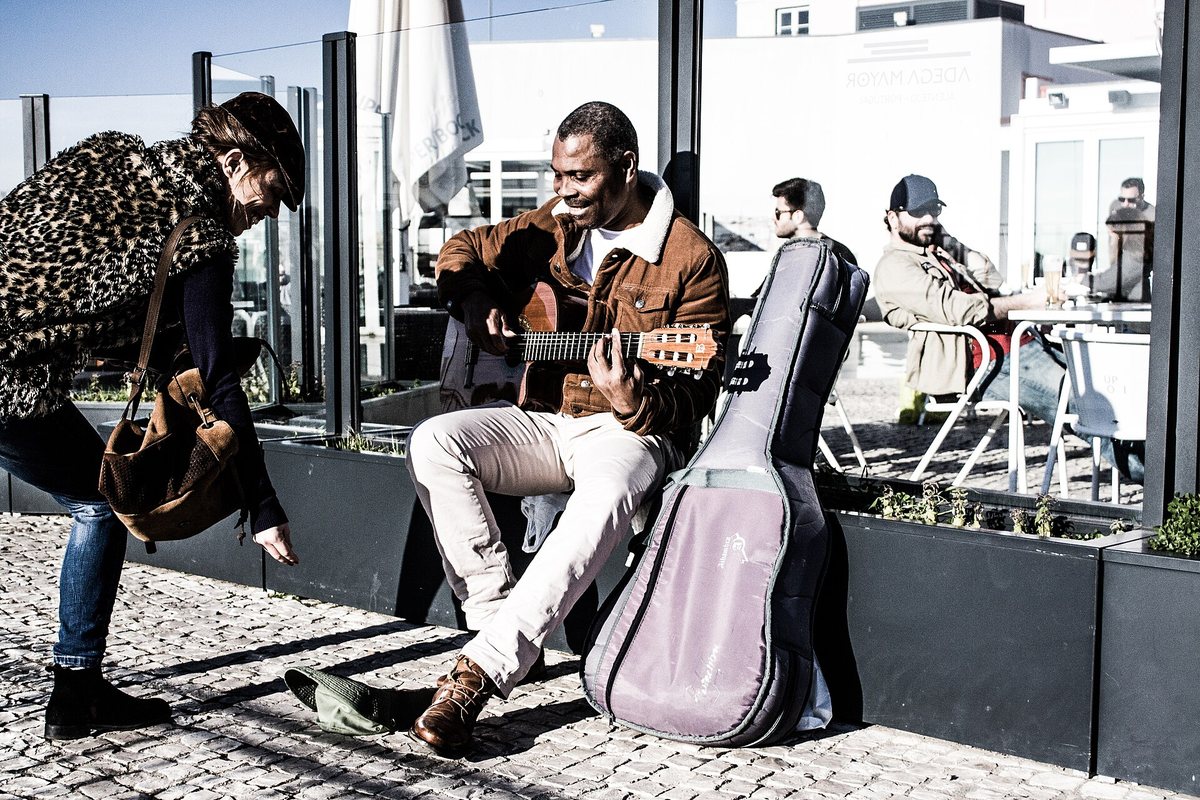
If the musician welcomes conversation between pieces, asking the instrument's name is a fine place to start. Keep the question short and accept that they may be preparing the next song. Being interested does not entitle a listener to an impromptu lesson.
Once you know the name, avoid assuming that you also know where the player is from or what the music means to them. Instruments travel. People learn outside family traditions. A sound associated with one place can have many lives elsewhere.
Later, you can follow the name into recordings, makers' demonstrations, or interviews with musicians. The street performance becomes the first page of a longer investigation. What mattered at the beginning was not recognizing the sound, but noticing that it was worth staying with.