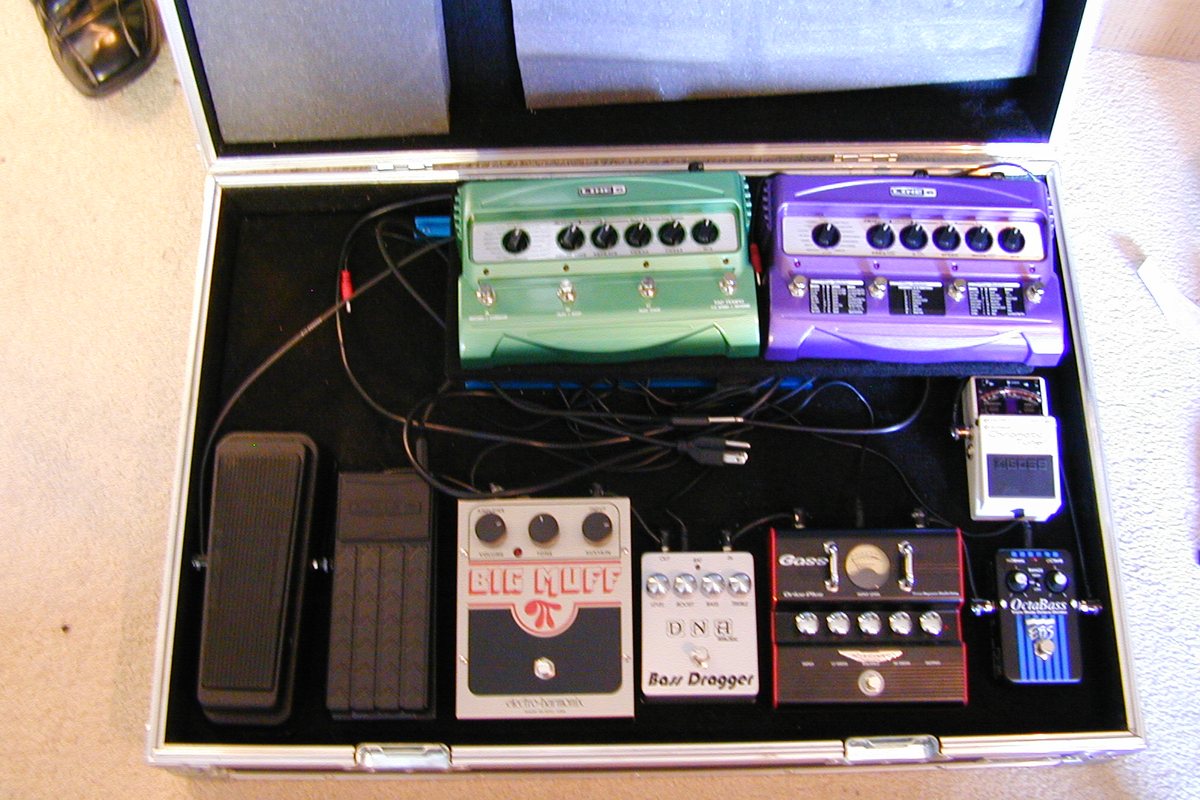
An amplified song can disappear halfway through a word. For a second, everyone looks in the same direction: the speaker, the cable, the musician's surprised face. The voice or instrument may still be sounding, but the scale of the performance has changed.
This is a useful moment to resist becoming the audience's technical expert. Unless help is requested, leave plugs, switches, and equipment alone. What looks obvious from a few feet away may be part of a setup you have not understood.
Sometimes the performer can continue acoustically. Sometimes the right decision is to pause or finish. Neither response needs to become a test of authenticity. An electric instrument is not less musical because it depends on electricity, and a singer should not have to strain to prove their commitment.
The audience can help by becoming quieter, giving space, and accepting a revised ending. If a musician chooses to carry on, the smaller sound asks for a different kind of listening. People lean toward it rather than expecting it to reach them.
A technical interruption rarely belongs in the polished story we tell about live music. Yet it makes the labor visible: checking levels, managing a battery, carrying the speaker that made us stop in the first place. Appreciation can include that work, even when the song remains unfinished.