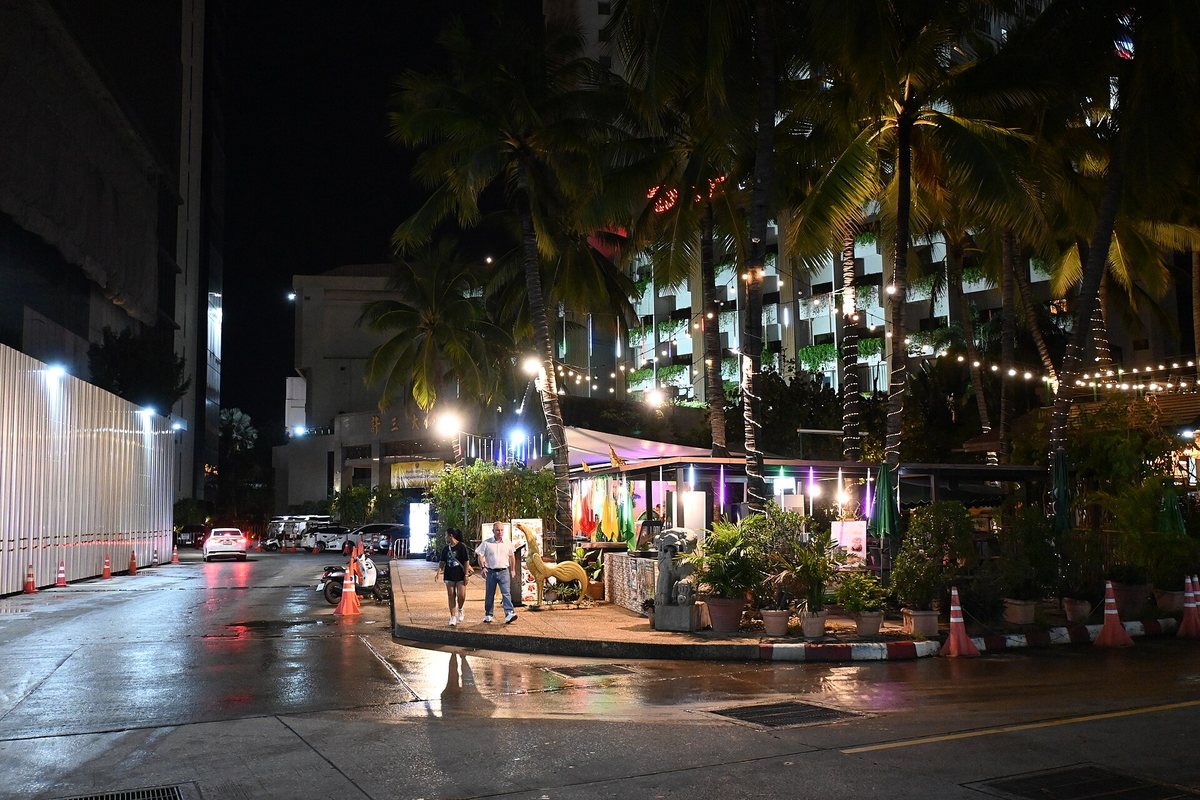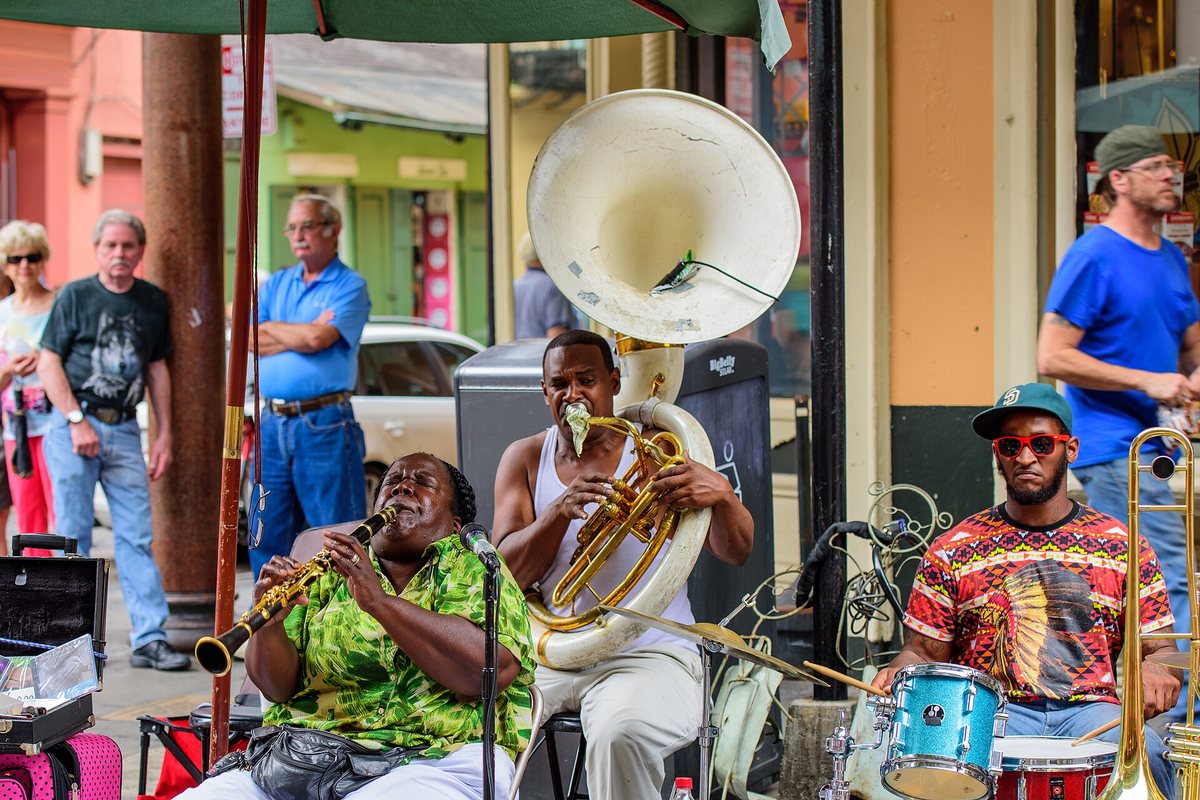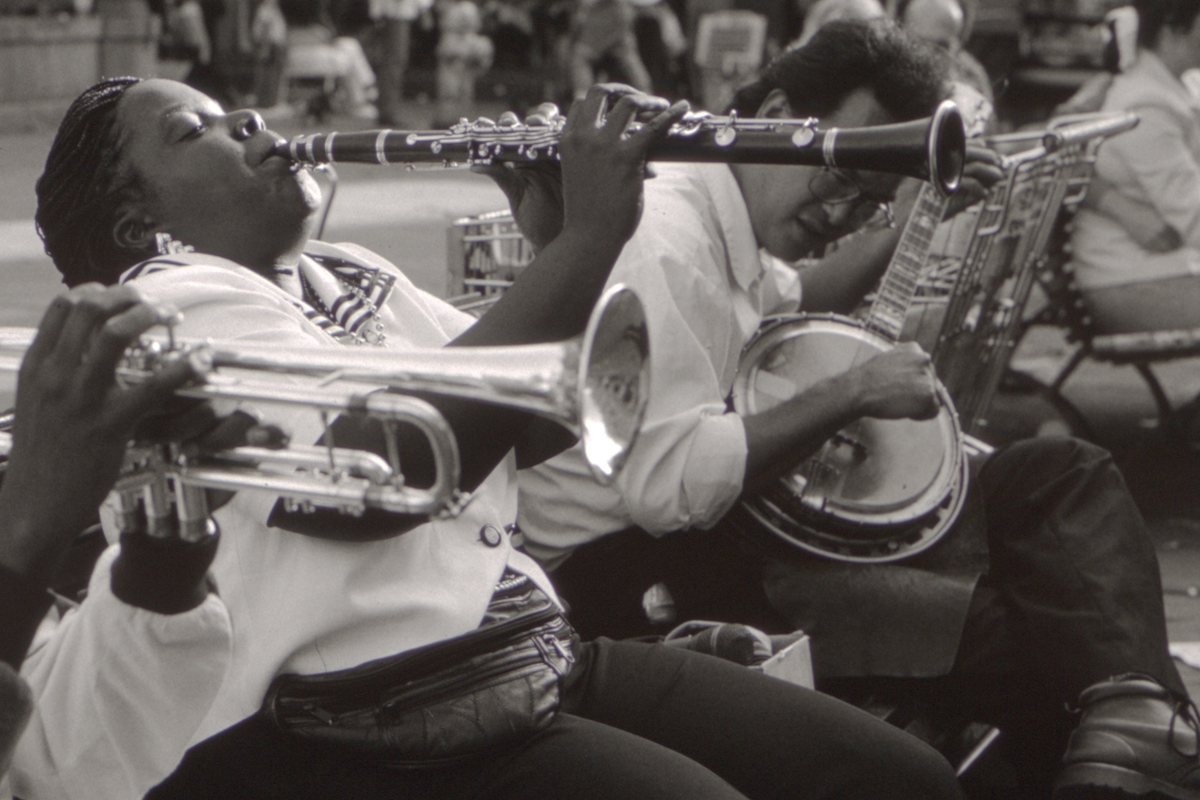
A street audience rarely begins as a circle. It starts with two people stopping, then three more arranging themselves behind them. A few minutes later, a pavement that seemed generous has become a narrow passage between shoulders.
The crowd is part of the performance, but it is also standing in somebody else's route. A wheelchair user, a person carrying shopping, or a child trying to keep up with a parent should not have to negotiate a wall of spectators to get through. Leaving a clear path is one of the simplest ways to be a better audience.
Watch the edges as well as the musician. If people keep hesitating at the same point, the space probably needs adjusting. A small step sideways can work better than announcing that everyone else should move. Your bag may be taking up the gap you thought you had left.
There is a musical advantage, too. An audience that leaves room for arrival and departure feels less like a queue and more like an invitation. New listeners can stay for half a song without committing to an awkward escape.
Nobody needs to manage the entire street. Just notice the space you occupy. The performance is happening in public because public life is happening there already; the best crowd lets both continue.