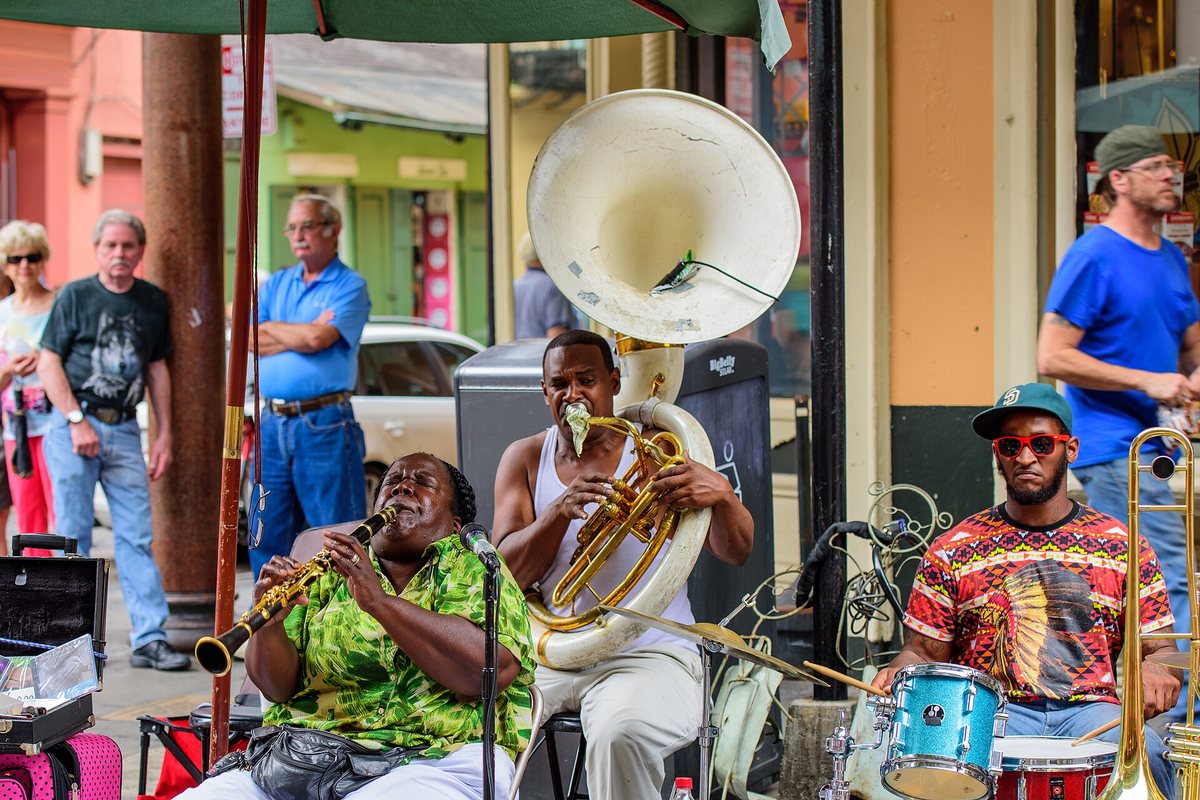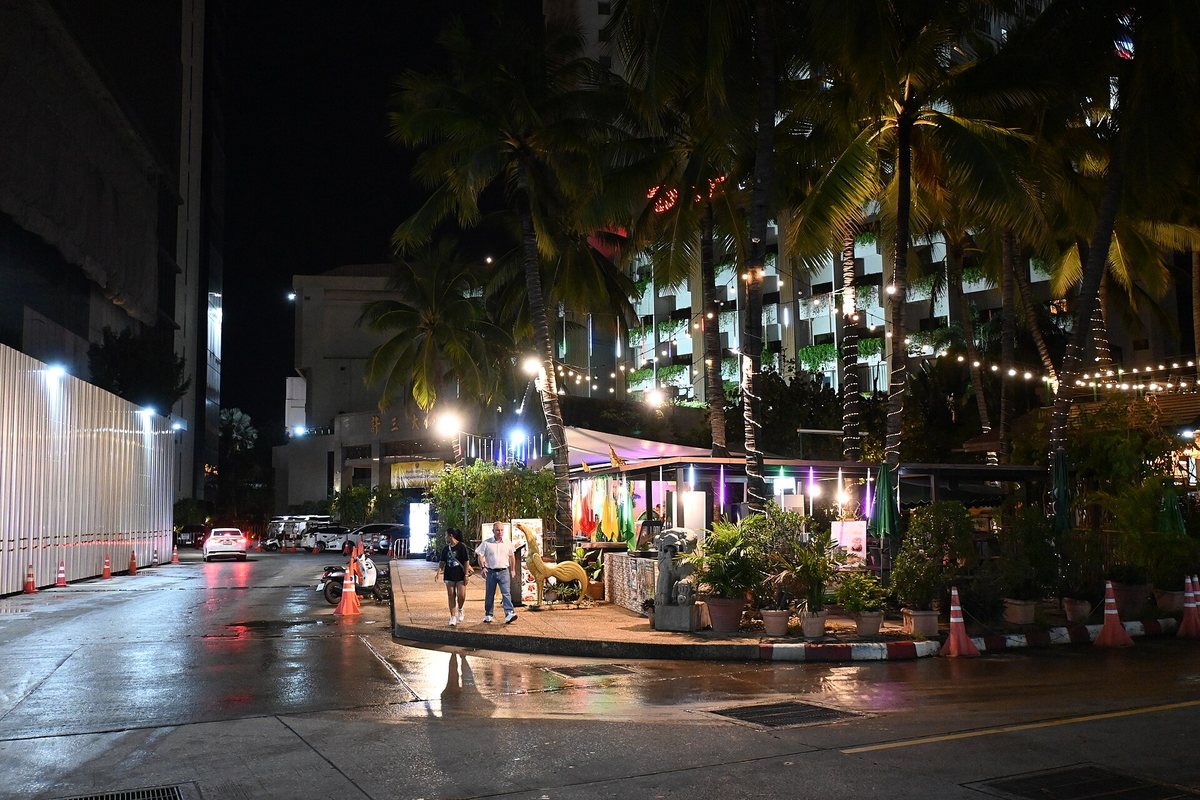
The first sign of rain is often movement rather than water: coats being searched for, bags pulled under arms, a glance toward the nearest awning. A street audience can become a weather report in seconds.
For a performer, that shift has practical consequences. Instruments, cables, and personal belongings may need protecting. It is easy for a listener to treat a sudden shower as atmosphere while someone else is calculating how quickly they can pack. Romance tends to be cheaper from the audience side.
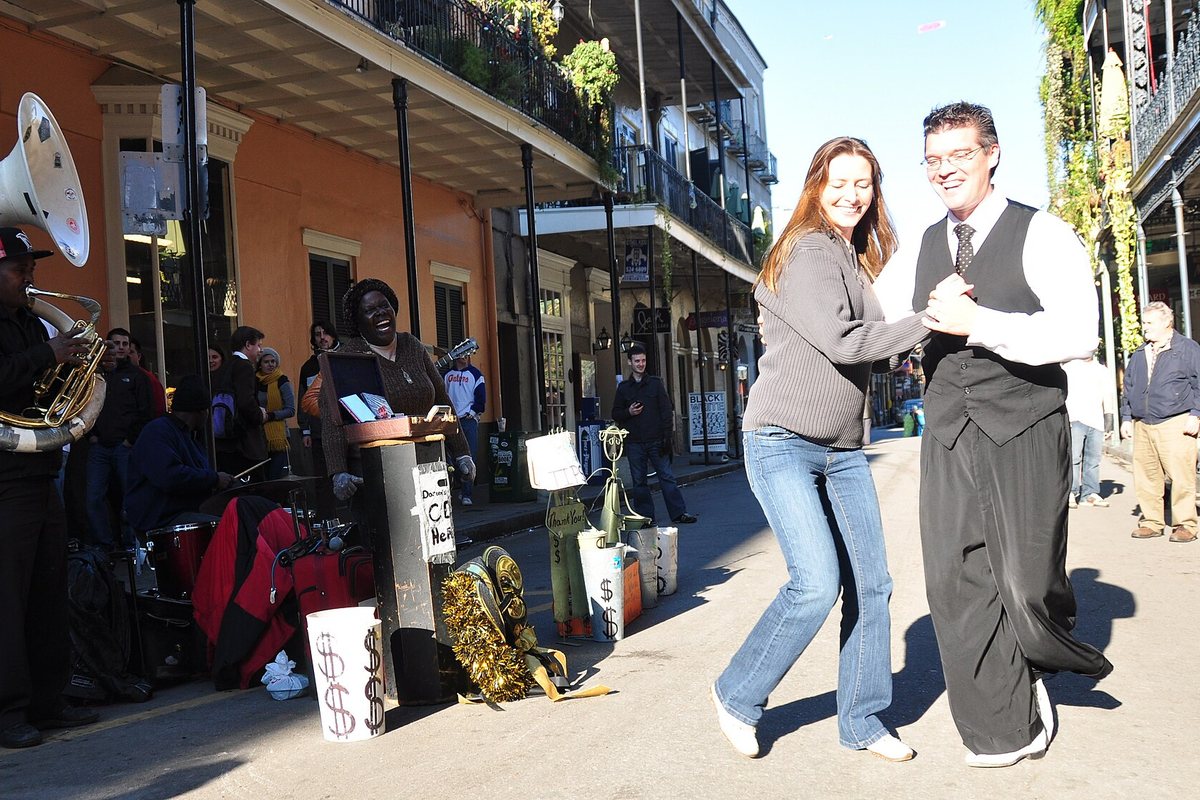
If a set stops, let it stop. Asking for one more song can sound like appreciation, but it also asks somebody to accept a risk you do not share. A contribution, a thank-you, and a clear route for carrying equipment may be more helpful than another request.
Sometimes a sheltered space allows the music to continue. Then the audience changes shape: people stand closer, conversation drops, and the roof joins in with its own uneven percussion. The same song can feel newly intimate without the musician changing a note.
You may remember that version most vividly afterward. Remember the practical work around it as well: the moved case, the protected instrument, the decision about whether there was still a safe place to play. The weather becomes part of a performance through people responding to it.