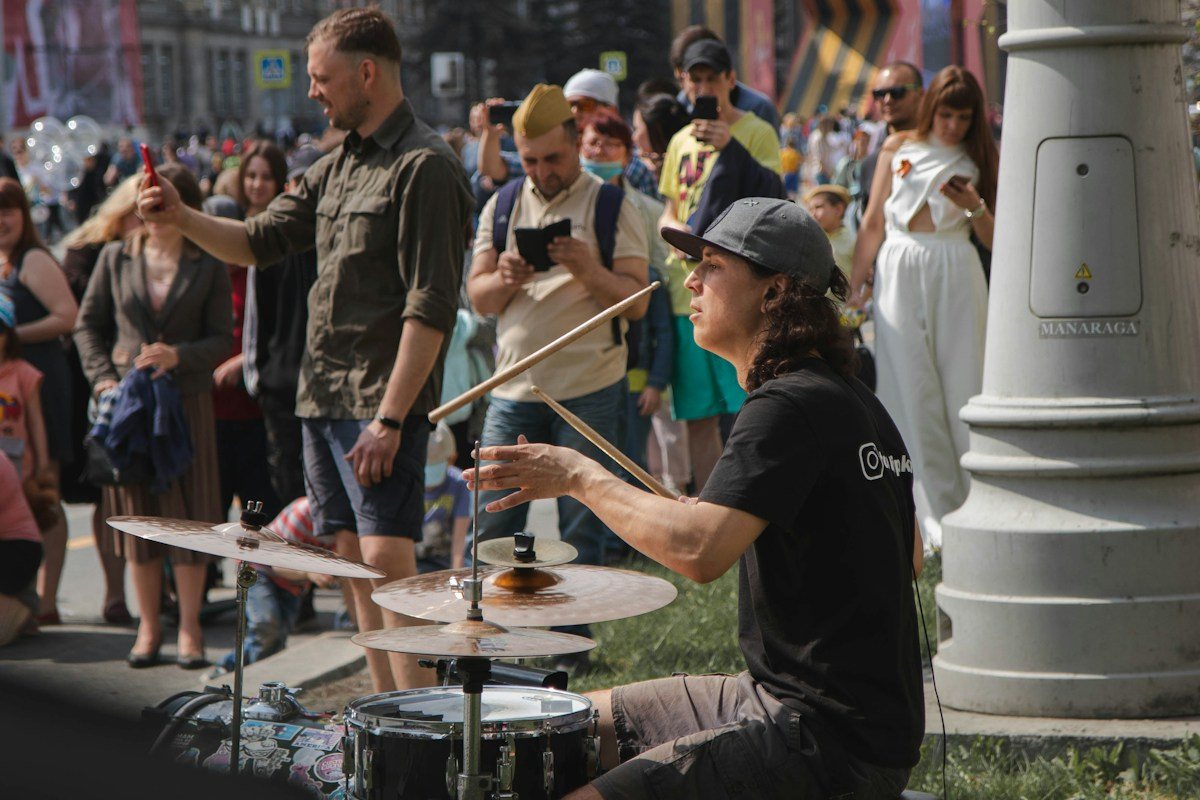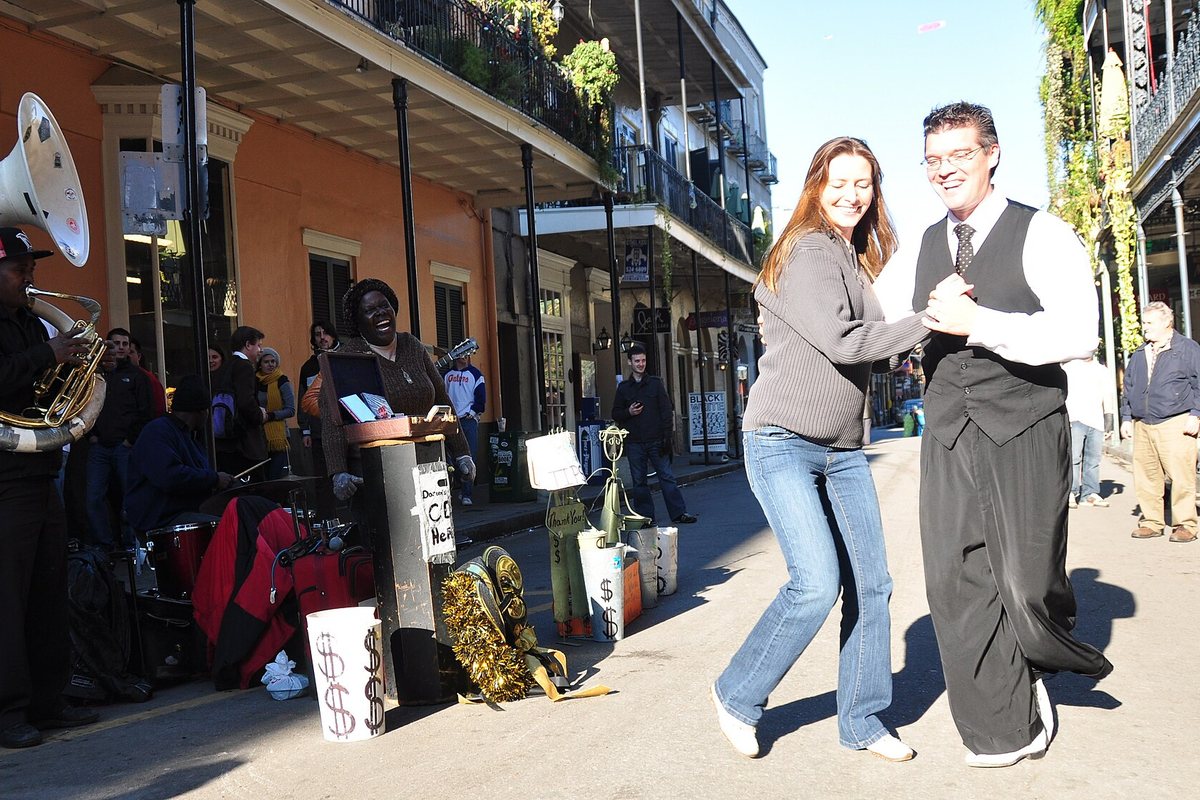
The people who hear the beginning of a street song may not be the people who hear its end. A couple leaves when their bus arrives. A group pauses with takeaway coffee. Somebody who has been listening from a shop doorway finally comes closer.
That constant exchange makes a public performance different from a room full of ticket holders. Attention is being won and lost at several speeds. One listener has time for a chorus; another can settle in for the whole set. A musician may greet newcomers without interrupting the phrase that held the earlier crowd.
Stay long enough and you can hear the social rhythm around the music. Laughter makes a new arrival relax. A quiet passage encourages someone nearby to lower their voice. Applause from listeners who have heard the whole piece gives latecomers a clue about what they missed.
It would be unfair to assume that leaving means disappointment. Most people are carrying schedules you cannot see. Nor does staying longest make someone the best listener. A person passing through can take a few seconds of music seriously.
The interesting thing is how much continuity a performer creates from this shifting material. The song has a shape even when its audience does not. For a few minutes, you become one of the people holding that shape in place, before handing it to somebody else.