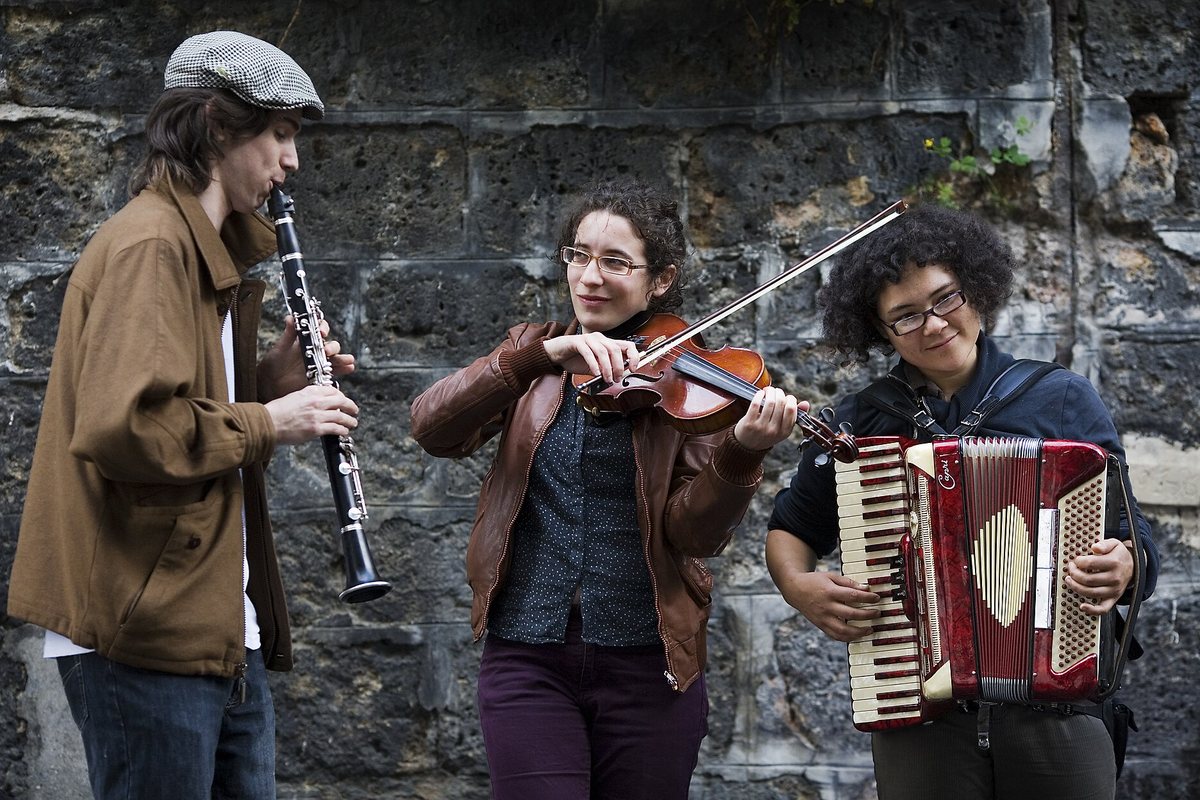
An accordion can trigger a location in the imagination with startling speed. You hear the sound and supply a café, a dance floor, or a street from a film. The picture may have very little to do with the musician standing in front of you.
Put the postcard aside for a moment. Watch the bellows move and hear how the player shapes the ends of notes. Follow a bass pattern, then the melody above it. The instrument can make accompaniment and tune feel like a conversation contained within one pair of hands.
Its portability helps explain why it appears in public spaces, but portability doesn't mean simplicity. A confident performance can conceal the coordination required to make several things happen at once. Notice the transition from one section to another, especially when the rhythm remains steady while the tune changes direction.
If the piece is unfamiliar and the performer welcomes a question afterward, ask its name rather than announcing what country you think it belongs to. A repertoire can travel farther than the visual associations attached to an instrument. The answer may lead toward a tradition you hadn't considered, or simply toward a song this particular player enjoys.
Leave with the actual detail, if you can: a title, a rhythm, the way the final chord was allowed to fade. A city becomes more interesting when the music complicates your expectations instead of politely confirming them.