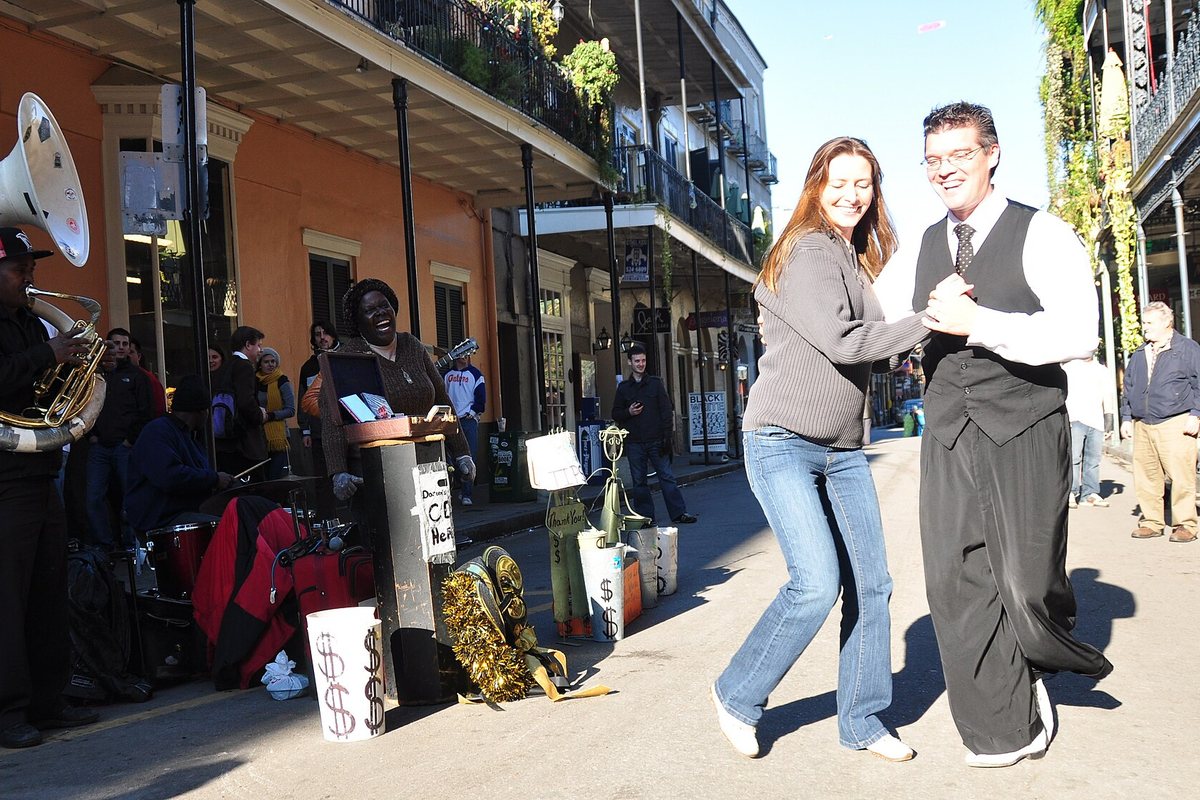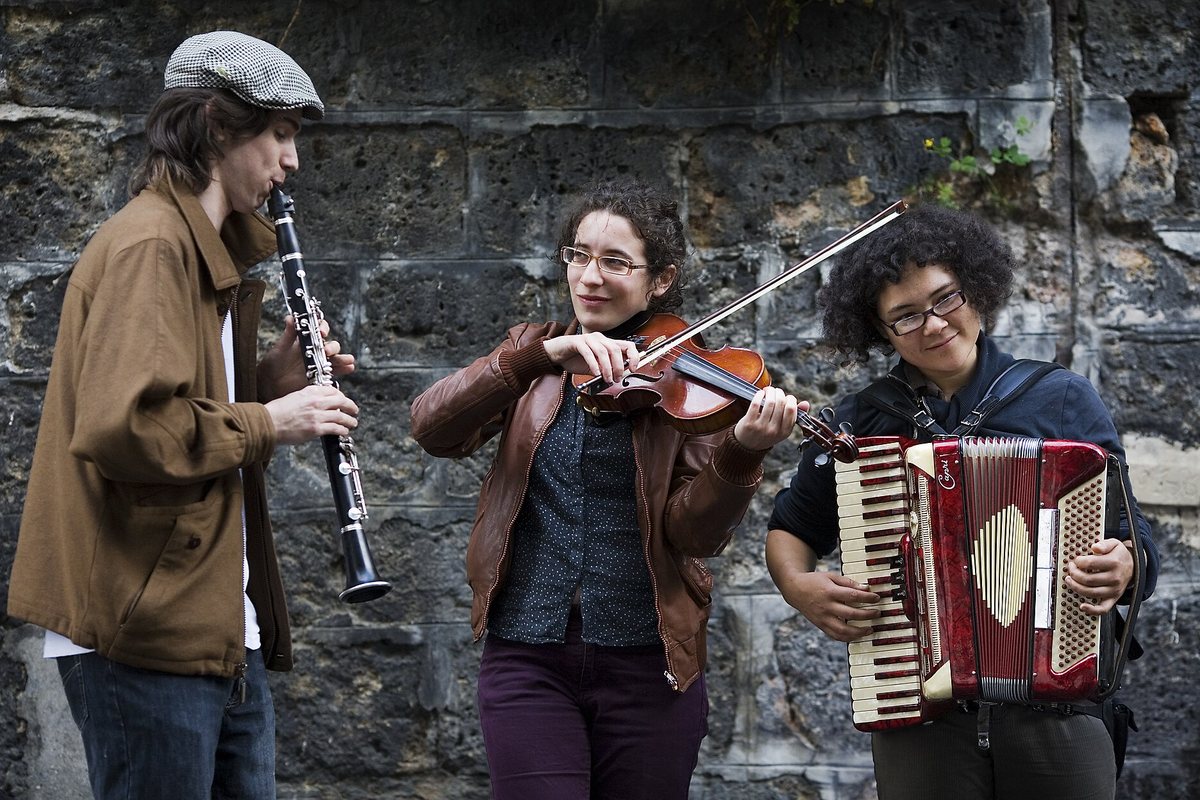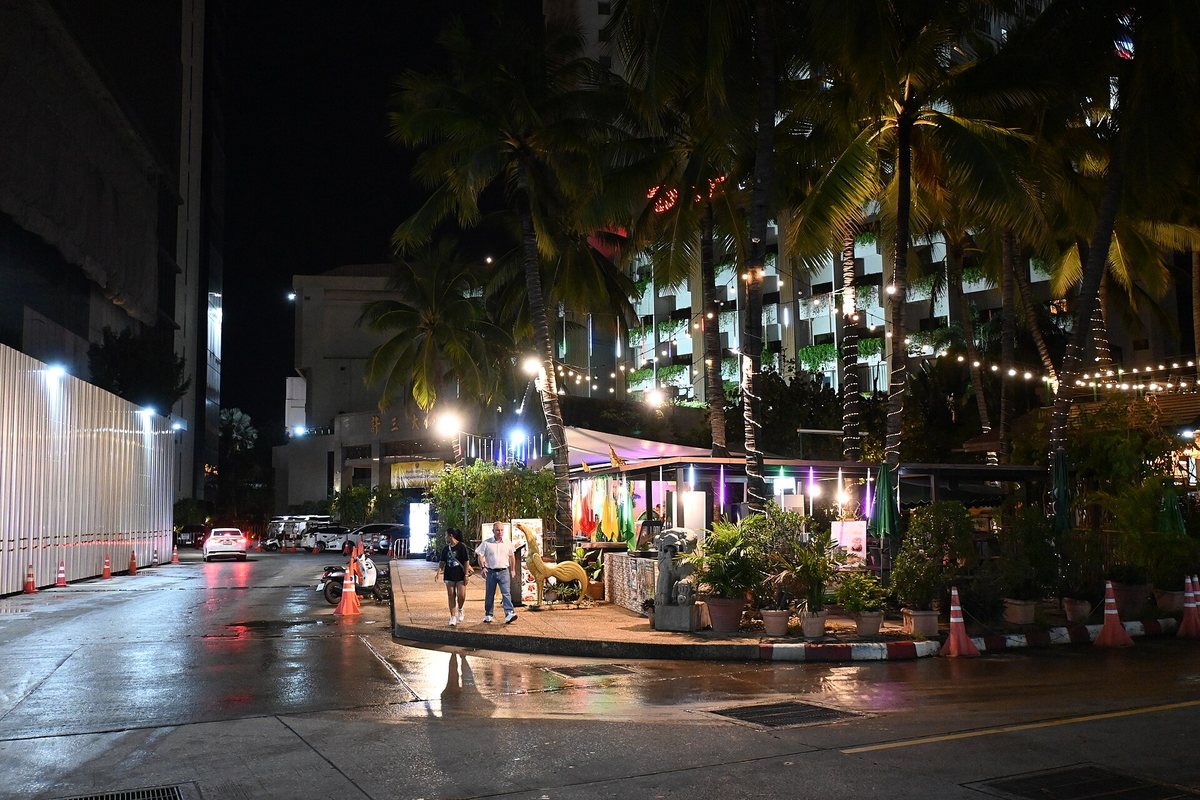
Music writing often waits until dark. Neon signs look persuasive, and a late finish gives a story an easy sense of occasion. An afternoon performance has less ready-made glamour. It may also offer a better chance to hear how a musician builds a relationship with ordinary life.
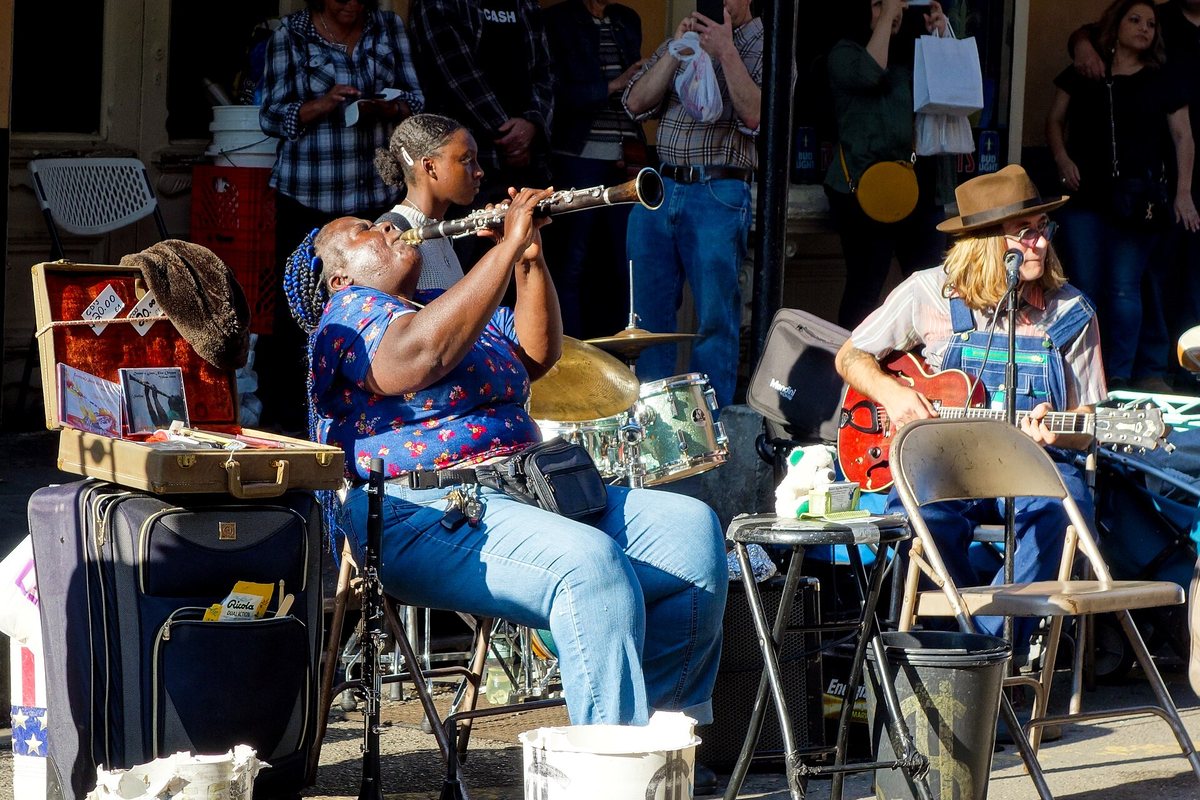
The audience is constantly changing. People stop on the way to something else, children lose interest and return, somebody sits down with a sandwich. A performer might hold a few listeners through several songs without ever having the same group for long. That takes a kind of attention different from addressing a room whose audience has paid to stay.
Watch how a set changes its pace. A lively piece can gather people, but a quieter one may turn passing curiosity into real listening. The strongest moment isn't necessarily the loudest. It can be the point when a small audience stops checking what else is happening.
Daylight also makes the work harder to romanticize. You can see the worn strap, the water bottle, the practical shoes. Those details don't diminish the performance. They connect it to a working day rather than an idea of endless musical freedom.
Leave an afternoon in your itinerary with a little space around it. You don't have to promise the whole day to chance. Ten unassigned minutes may be enough to hear a piece you would otherwise have walked through, and to discover that memorable music doesn't always require a late night.