Put two versions of a song beside each other and the obvious differences arrive first: tempo, voice, instrumentation. The more revealing choices often take another listen.
Choose a short section, perhaps the first verse. Notice where each singer breathes, which word gets extra weight, and whether the accompaniment fills the gaps or leaves them alone. The melody may remain recognizable while the emotional balance moves considerably.
Then hear the whole performances. A striking local detail can work differently across a complete arrangement. A restrained opening might prepare a later release; a version that starts at full intensity has a different problem to solve.
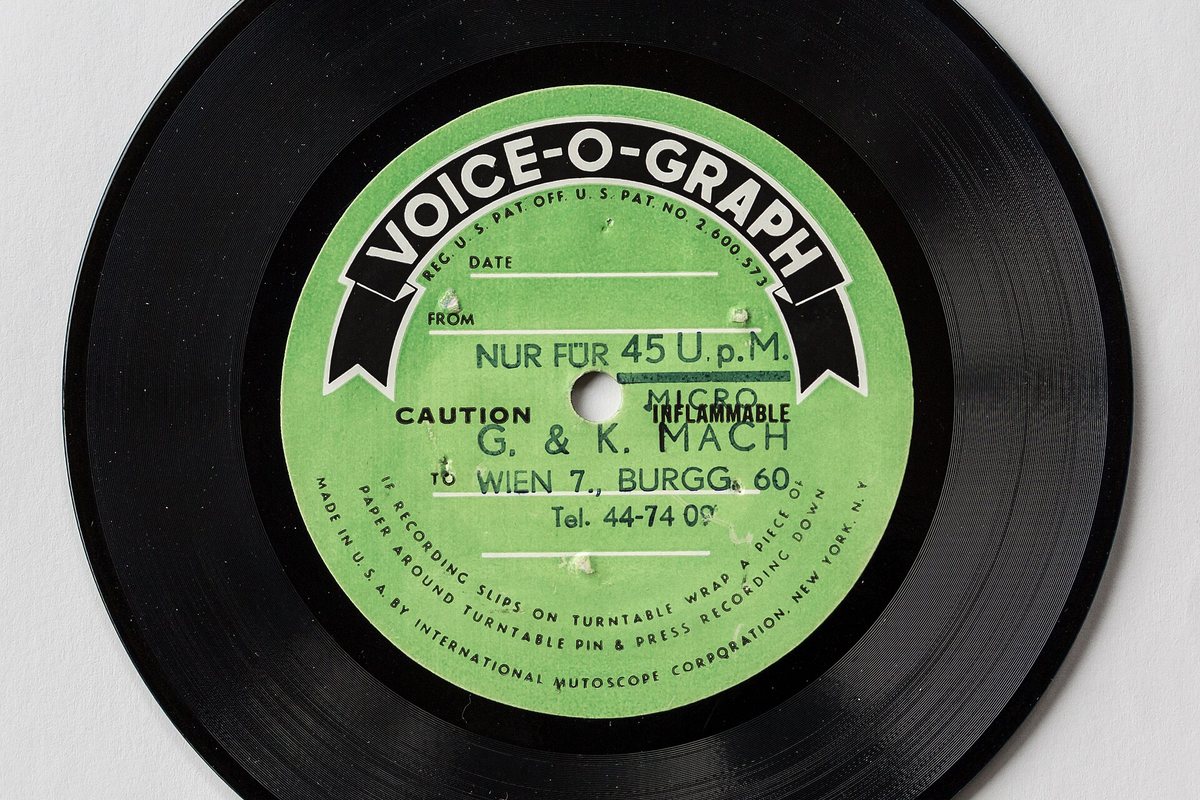
Check the recording information before building a story around the comparison. A release date does not always tell you when a performance was recorded, and an alternate take is not necessarily a deliberate response to the familiar version. Let documented context do the historical work.
You can still have a favorite. The point is to make that preference more interesting than a score. One performance may be the one you want when you are tired, while another reveals the structure more clearly. A good song can make room for both, and close listening lets you hear how that room is used.